
ADHD Strategies for Teachers: How to Support a Child with ADHD in the Classroom
Supporting a child with ADHD in the classroom can feel challenging — especially when traditional teaching approaches don’t seem to work.
You might notice:
Constant movement or fidgeting
Difficulty following instructions
Interruptions or calling out
Emotional reactions that seem “bigger” than expected
And despite your best efforts, nothing seems to stick.
The encouraging part?
With the right strategies, small changes in the classroom can lead to huge improvements in focus, behaviour, and confidence.
In this guide, you’ll learn:
What ADHD really looks like in the classroom
Why some strategies fail
Effective ADHD strategies for teachers
How to support a child with ADHD emotionally and practically
What ADHD Looks Like in the Classroom
ADHD in the classroom is often misunderstood.
It’s not just “high energy” — it’s a difference in how children manage attention, impulses, and emotions.
You may see:
A child who can’t sit still for long
A student who starts tasks but doesn’t finish them
Someone who blurts out answers without thinking
A child who becomes overwhelmed quickly
These behaviours are not intentional — they reflect how the brain processes information.
To better understand ADHD from a broader perspective, this article explains it clearly:
👉 https://www.littleoneslifecoach.com/blog-page/b/is-adhd-a-disability
It’s also helpful to understand how ADHD can go unnoticed or misunderstood over time:
👉 https://www.littleoneslifecoach.com/post/late-adhd-diagnosis-adults-understanding-support
This context helps teachers shift from frustration to understanding.
Why Traditional Classroom Approaches Don’t Work
Many classroom systems are built for children who can:
Sit still for long periods
Process multiple instructions at once
Transition quickly between tasks
Children with ADHD often struggle in these areas.
Common challenges include:
Long verbal instructions → easily forgotten
Too much sitting → leads to restlessness
Fast transitions → create overwhelm
Busy classrooms → increase distraction
When these expectations aren’t met, it can lead to:
Frustration (for both teacher and child)
Behaviour that escalates
Loss of confidence
The key shift is this:
👉 Instead of asking the child to adapt to the system, adapt the system to support the child.
Effective ADHD Strategies for Teachers (That Actually Work)
✔ 1. Use Movement as a Tool (Not a Problem)

Movement is not a distraction — it’s often what helps children with ADHD focus.
Instead of trying to reduce movement, structure it.
Practical ideas:
Short movement breaks every 20–30 minutes
Assign classroom jobs (handing out materials, wiping boards)
Allow standing desks or flexible seating
Use “brain breaks” between tasks
These strategies help regulate energy levels, making it easier for children to return to learning.
✔ 2. Keep Instructions Short and Clear

Children with ADHD can struggle with processing multiple instructions at once.
Instead of giving long directions, simplify:
❌ “Take out your book, turn to page 15, answer questions 1–5, and underline key words”
✔ “Take out your book”
✔ “Turn to page 15”
✔ “Start question 1”
Pause between steps and check understanding.
This reduces overwhelm and increases success.
✔ 3. Use Visual Supports
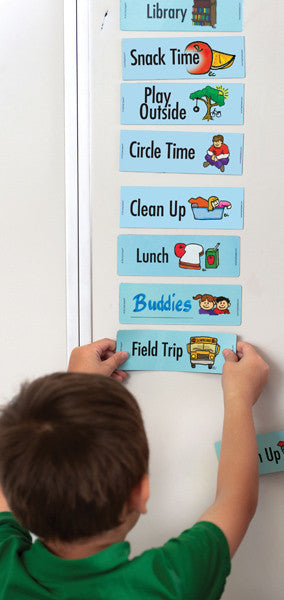
Visual supports help children process information without relying only on memory.
Helpful tools:
Visual schedules
Timers
Step-by-step charts
Picture instructions
These create predictability and reduce anxiety.
For many children with ADHD, seeing what to do is far easier than remembering what they heard..
✔ 4. Allow ADHD Fidget Tools

ADHD fidget tools are often misunderstood.
When used correctly, they can:
Improve focus
Reduce restlessness
Help children self-regulate
Examples:
Small fidget toys
Stress balls
Tactile strips on desks
The key is setting clear expectations:
Quiet use
Used during learning, not as a distraction.
✔ 5. Create Predictable Routines
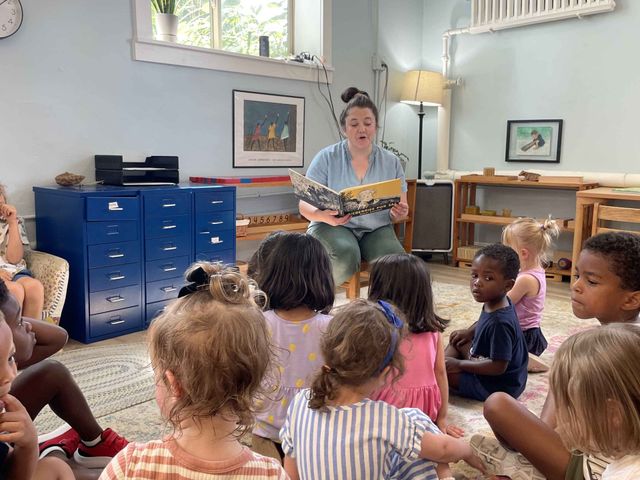
Children with ADHD thrive when they know what’s coming next.
Build structure through:
Consistent daily routines
Visual schedules
Transition warnings (“In 2 minutes we will…”)
Predictability reduces stress and improves cooperation.
✔ 6. Reduce Overstimulation in the Environment
Classrooms can be overwhelming — especially for children sensitive to noise, movement, and visual input.
Small adjustments can help:
Seat the child away from high-traffic areas
Reduce visual clutter where possible
Provide a quiet corner for calming down
Use soft, calm tones when speaking
These changes support emotional regulation.
✔ 7. Focus on Strengths, Not Just Challenges
Children with ADHD often hear what they are doing “wrong.”
This impacts confidence.
Instead:
Notice effort, not just results
Praise specific behaviours (“You stayed focused for 5 minutes — great job”)
Encourage strengths like creativity, curiosity, and energy
Confidence leads to better behaviour.
How to Support a Child with ADHD in the Classroom (Emotionally)
Strategies alone are not enough.
Children with ADHD need to feel:
Understood
Safe
Supported
Emotional support includes:
✔ Stay Calm During Difficult Moments
Your calm response helps regulate the child.
✔ Avoid Constant Correction
Too much correction can increase stress and resistance.
✔ Build Connection
A positive relationship makes all strategies more effective.
✔ Understand Triggers
Look for patterns:
When do behaviours happen?
What situations are overwhelming?
When teachers shift from reacting to understanding, behaviour often improves naturally.
Final Thoughts
Supporting a child with ADHD in the classroom doesn’t require perfection.
It requires:
Understanding
Flexibility
Small, intentional changes
When the environment supports the child, you’ll often see:
Improved focus
Fewer disruptions
Greater confidence
And most importantly — a child who feels understood instead of misunderstood.


