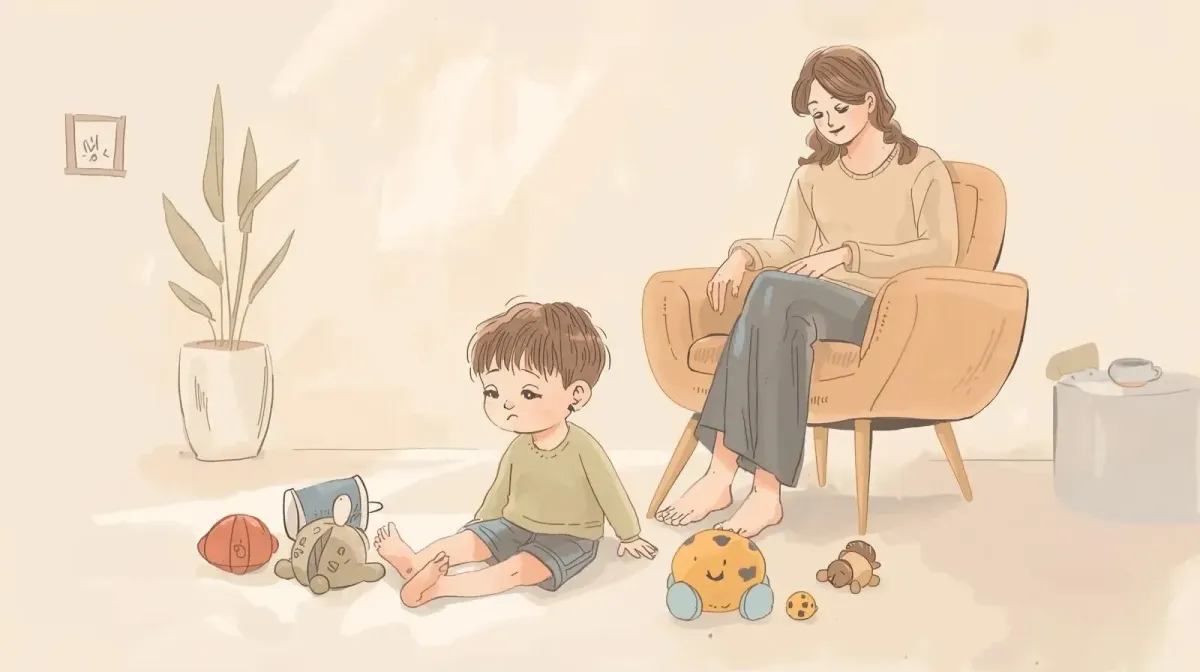
When ‘Yes’ Means Stress: The Hidden Harm of Approval-Only Parenting
Introduction: When “Yes” Sounds Loving — but Feels Heavy
Modern parents are trying to break cycles.
They don’t want to shout.
They don’t want to dismiss feelings.
They don’t want their children to grow up scared, unheard, or emotionally shut down.
So they say yes.
Yes to extra screen time.
Yes to avoiding tears.
Yes to changing plans when a child is upset.
Yes to reassurance — again and again.
At first, this feels kind. Gentle. Progressive.
But many parents quietly notice something unsettling:
Their child becomes more anxious, not calmer
Small frustrations trigger big emotional reactions
The child constantly checks: “Is this okay?”
The parent feels emotionally drained — yet guilty for feeling that way
This is often not a discipline issue.
And it’s not a “spoiled child” problem.
It’s a pattern known as approval-only parenting — and despite good intentions, it can create hidden stress for children.
The video above captures this perfectly: when children feel safe only through approval, even “yes” becomes pressure.
Let’s unpack why.
What Is Approval-Only Parenting?
Approval-only parenting happens when a child’s emotional security becomes overly dependent on constant validation, agreement, and reassurance from adults.
This usually includes:
Avoiding “no” to prevent distress
Quickly fixing or soothing emotions
Excessive praise for normal behaviour
Fear of disappointing the child
Confusing emotional validation with total agreement
This is not the same as emotionally responsive or gentle parenting.
Healthy parenting says:
“I understand your feelings — and I’m still the boundary.”
Approval-only parenting says:
“I’ll agree or adjust so you don’t feel uncomfortable.”
Over time, this shifts the emotional weight onto the child — even though it looks supportive from the outside.
Why Children Don’t Actually Feel Safe with Constant Approval

Children don’t just need warmth.
They need predictability.
When approval is unlimited, boundaries become unclear — and uncertainty is deeply stressful for a developing nervous system.
1. Approval Becomes a Requirement, Not a Gift
Children quickly learn patterns.
If love and calm are always restored through approval, children internalise:
“I need to get this right.”
“I need to be approved to feel okay.”
“If I upset someone, something is wrong with me.”
Psychologists consistently show that over-reliance on external validation increases anxiety and self-doubt, especially as children grow older. This is well explained in research discussed by Psychology Today on parental approval and emotional development:
👉 how excessive parental approval can fuel anxiety
2. Children Lose Opportunities to Build Emotional Regulation
Emotional regulation is learned, not inherited.
Children develop it through:
tolerating disappointment
experiencing manageable frustration
being supported through hard feelings — not rescued from them
When every emotional spike is immediately neutralised by agreement or distraction, children miss the chance to practise coping.
Over time, this leads to:
low frustration tolerance
emotional overwhelm
difficulty self-soothing
According to child development research summarised by Parenting Science, children need both emotional validation and firm structure to develop resilience:
👉 why boundaries are essential for emotional development
The Hidden Message Children Receive
Even when parents don’t mean it, approval-only parenting often communicates:
“Your emotions are too big for me to sit with.”
“Discomfort must be fixed immediately.”
“Someone else is responsible for how you feel.”
This can lead children to:
fear negative emotions
avoid challenges
feel overwhelmed by normal life stress
Ironically, the attempt to protect children from distress can make distress feel scarier and less manageable.
Approval-Only Parenting vs Healthy Emotional Validation

Let’s clarify a crucial distinction.
❌ Approval-Only Parenting
“Yes” replaces boundaries
Discomfort is avoided
Emotions are quickly fixed
Parent carries emotional responsibility
✅ Healthy Validation + Boundaries
Feelings are acknowledged
Limits remain steady
Emotions are allowed, not rushed
Child learns coping skills
Example:
Approval-only response:
“Okay, okay, we’ll leave right now — don’t be upset.”
Healthy response:
“I see you’re disappointed. It’s hard to stop when you’re having fun. We’re still leaving, and I’ll stay with you while you feel upset.”
Same empathy.
Very different long-term impact.
Why Parents Fall into Approval-Only Parenting
This pattern rarely comes from indulgence.
It usually comes from fear and love.
Common reasons include:
1. Fear of Emotional Harm
Many parents worry that saying “no” will damage attachment.
But research consistently shows that secure attachment is built through consistency, not constant agreement — a point also reinforced in UK child mental health guidance by the NHS:
👉 supporting children’s emotional wellbeing
2. Generational Overcorrection
Parents who grew up with:
emotional neglect
harsh discipline
being told to “stop crying”
often swing hard in the opposite direction.
Without realising it, they replace emotional dismissal with emotional over-accommodation.
3. Exhaustion and Burnout
When parents are overwhelmed, saying “yes” can feel easier than holding a boundary.
But over time, this creates:
parental resentment
emotional fatigue
inconsistency
Ironically, clear boundaries reduce parental stress, rather than increase it — something highlighted in research on parenting stress and emotional outcomes:
👉 how parental stress affects children
Signs Approval-Only Parenting May Be Creating Stress

You might notice:
Your child struggles with small frustrations
Frequent meltdowns over minor limits
Constant reassurance-seeking
Fear of making mistakes
Difficulty playing independently
You feel guilty saying “no” — even when necessary
These are not signs of a “difficult child”.
They’re often signs of too much emotional responsibility placed on the child.
The Long-Term Impact of Approval-Only Parenting
Left unaddressed, this pattern can contribute to:
anxiety disorders
perfectionism
people-pleasing behaviours
poor emotional boundaries
fear of failure
Children raised this way may grow into teens who:
avoid challenges
fear disappointing others
struggle with independence
Not because parents were unkind — but because children were never taught that discomfort is survivable.
What Children Actually Need Instead

Children thrive when they experience:
✔ Emotional validation
“I see how you feel.”
✔ Predictable boundaries
“This is still the limit.”
✔ Calm parental presence
“I can handle your emotions.”
✔ Space to practise coping
“You’re allowed to feel this.”
This combination builds:
emotional resilience
internal self-worth
confidence
trust in relationships
How to Shift Away from Approval-Only Parenting (Gently)
You don’t need to become strict or emotionally distant.
Small changes matter.
1. Pause Before Saying Yes
Ask yourself:
“Am I agreeing to help my child grow — or to avoid discomfort?”
2. Validate Feelings Without Changing the Boundary
Feelings don’t require permission.
Behaviours still need guidance.
3. Normalise Discomfort
Say things like:
“This is hard, and you can handle it.”
“It’s okay to feel upset — I’m here.”
4. Trust That Boundaries Build Safety
Children relax when they know someone else is holding the structure.
Final Thoughts: Love Is Not Measured by Agreement
Saying “yes” doesn’t always mean love.
Sometimes, love sounds like:
“I won’t change this — and I’ll stay with you.”
“Your feelings are real — and they won’t overwhelm us.”
“You don’t need to be approved of to be loved.”
When children learn that connection doesn’t disappear when they’re upset, stress decreases — not increases.
And that’s where real emotional safety begins.


