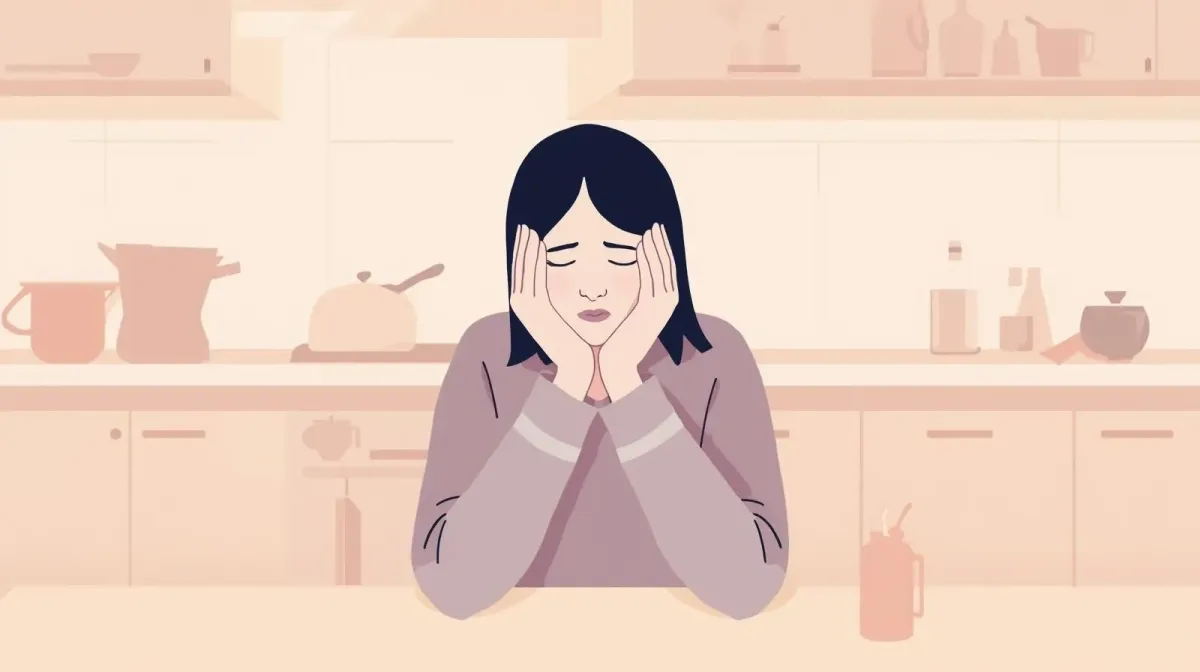
Default Parent Burnout: When You’re Carrying Everything and Quietly Falling Apart
If you’re reading this and nodding already, take a breath for a moment.
This article isn’t here to tell you what to fix.
It’s here to sit with you.
Because default parent burnout doesn’t usually look like chaos on the outside.
It looks like functioning.
It looks like getting through the day.
It looks like being “fine” while feeling completely drained inside.
And if you’re honest, you might be thinking:
I love my family… so why does this feel so heavy?
What “Default Parent” Really Means (And Why It’s So Exhausting)
Being the default parent isn’t something most people choose.
It happens quietly.
You’re the one who remembers school days.
You’re the one who notices when your child’s mood shifts.
You’re the one who plans meals, packs bags, books appointments, keeps track of everything.
Even when someone else helps, you’re still the one holding it in your head.
And that constant mental presence — the never-switching-off — is what wears you down.
Default parent burnout isn’t about doing too much once in a while.
It’s about never fully resting, even when you sit down.
Why Default Parent Burnout So Often Turns Into Mom Wife Burnout
Many women experience default parent burnout alongside mom wife burnout.
That combination is especially heavy.
You’re not just parenting.
You’re also:
Managing the household
Supporting a partner emotionally
Making decisions for everyone
Being the “strong one”
You might feel like there’s no space where you get to fall apart.
And when resentment creeps in, it’s confusing.
You might think:
Why do I feel so angry when I chose this life?
Burnout doesn’t mean you chose wrong.
It means too much responsibility landed on one nervous system.
“I’m So Tired, But I Can’t Stop”: How Burnout Sneaks In
Parenting burnout rarely arrives loudly.
It builds slowly.
At first, you just cope.
You push through.
You tell yourself it’s temporary.
But then you notice:
You wake up already tired
You feel irritated by small things
You don’t feel excited about much anymore
You crave silence, space, or being alone
You feel guilty for even wanting that
This is often the moment parents start searching for mom burnout help.
Not because they’ve failed.
But because something inside them is asking to be listened to.
Parenting Burnout Stages: If This Feels Familiar, You’re Not Alone
Burnout isn’t one moment.
It’s a process.
Many default parents move through similar parenting burnout stages, even if they don’t have names for them.
First, you over-function.
You do more to compensate.
You pick up slack.
You keep things running.
Then comes emotional fatigue.
You’re still doing everything, but it feels heavier.
Patience is harder to access.
Then disconnection.
You’re physically present, but emotionally distant.
You feel flat or numb.
Then guilt.
You judge yourself for feeling this way.
You tell yourself you should be grateful.
Finally, resentment or shutdown.
You feel stuck.
You feel unseen.
You feel tired of holding everything together.
If you recognise yourself here, pause.
This isn’t a personal failure.
It’s a very human response to carrying too much.
Mom Burnout Isn’t About Not Loving Your Family
This matters, so read it slowly.
Burnout does not mean:
You don’t love your children
You regret being a parent
You’re ungrateful
Many mothers search for validation through mom burnout quotes because they finally see their feelings reflected.
Quotes like:
“I don’t want a break from my kids. I want a break from being responsible for everything.”
“I’m not exhausted from doing too much. I’m exhausted from never stopping.”
If these hit you, it’s because they name something real.
Burnout is about load, not love.
The Emotional Load Nobody Sees
One of the hardest parts of default parent burnout is how invisible it is.
You’re not just doing tasks.
You’re holding emotional awareness.
You’re:
Monitoring everyone’s mood
Preventing meltdowns before they happen
Anticipating needs
Keeping the emotional balance of the home
That constant emotional scanning keeps your nervous system switched on.
Your body never fully relaxes.
That’s why burnout feels physical, emotional, and mental all at once.
Why Rest Alone Doesn’t Fix Burnout
Many parents try to fix burnout with rest.
Sleep.
A day off.
A short break.
And while those help, they don’t solve the root problem.
Burnout doesn’t come from being tired.
It comes from imbalance.
From being the default holder of responsibility, emotion, and planning.
Real relief usually starts when:
Responsibility is shared, not just tasks
Emotional labour is acknowledged
Boundaries are supported
You stop over-functioning to keep peace
This isn’t about doing less because you’re lazy.
It’s about doing less because you’re human.
You’re Allowed to Need Support
Default parent burnout thrives in silence.
Many parents don’t speak up because they fear:
Being seen as weak
Upsetting their partner
Being told to “just cope”
But burnout softens when it’s named.
And it eases when someone helps you untangle what you’re carrying.
Sometimes that starts with a simple, calm conversation — one where you don’t have to explain or justify how tired you are.
If that feels like something you need, you’re welcome to schedule a free discovery call.
No fixing. No judgement.
Just space to talk.
A Quiet Truth to Leave You With
If you’re burned out as the default parent, it doesn’t mean you’re doing parenting wrong.
It means you’ve been doing too much alone for too long.
You deserve care too.
You deserve support too.
And you don’t have to wait until you completely break to ask for help.
If you’re ready — even just a little — a gentle conversation is here.


