How to Be a Great Parent (In Real Life, Not in Theory)
If you’ve searched how to be a great parent, pause for a second.
That question usually comes from a good place.
Not from confidence. But from care.
Parents who ask this are often:
Trying their best
Reflecting on their actions
Wondering if they’re doing enough
Afraid of getting it wrong
This article is written by Little Ones Life Coach to meet you exactly there.
Not with rules.
Not with pressure.
Not with perfection.
But with clarity, reassurance, and truth — the kind that actually helps on hard days.
Let’s Start Here: Great Parents Are Not Perfect Parents

Many parents carry a quiet belief that great parenting looks like constant patience, endless energy, and always knowing what to do.
That belief creates pressure.
Because real parenting doesn’t look like that.
Being a great parent does not mean:
You never lose your temper
You always stay calm
You have the right answer in the moment
Your child never struggles
Being a great parent means you stay emotionally available even when things go wrong.
It means you come back after hard moments.
It means your child feels safe enough to be themselves with you.
That matters far more than doing everything “right.”
What Does It Mean to Be a Great Parent, Really?
This question comes up again and again.
At its core, being a great parent means your child experiences you as:
Safe
Consistent
Willing to listen
Willing to repair
Great parenting is not measured by behaviour charts or perfect routines.
It is felt in the relationship.
Children remember:
Whether they were heard
Whether their feelings were allowed
Whether love stayed steady during conflict
That emotional memory shapes how they see themselves and the world.
A Short Video That Says This Simply (and Powerfully)
There is a short video that captures this truth in a very grounded way:
The message is gentle but important.
Children don’t need parents who get it right all the time.
They need parents who stay present, reflect, and repair.
Sometimes hearing this is enough to help parents breathe again.
What Makes a Great Parent in Everyday Life
Great parenting does not show up in big gestures.
It shows up in small, repeated moments.
It looks like:
Pausing before reacting
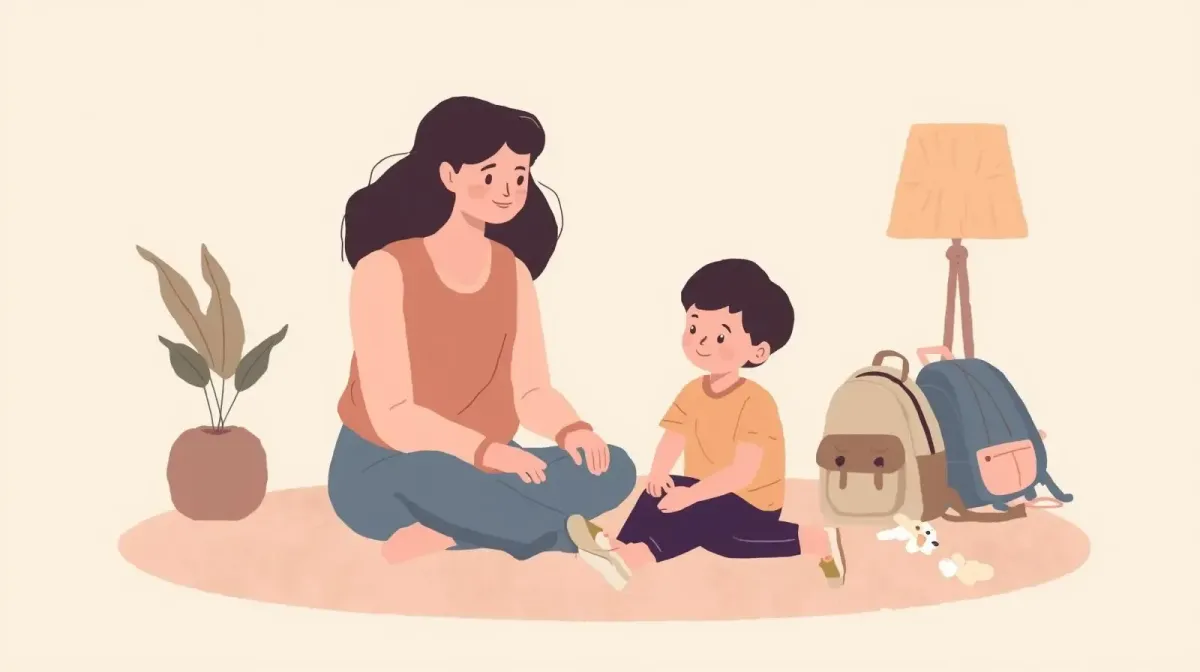
Getting down to your child’s level
Listening, even when you disagree
Staying close during big emotions
Saying “I’m here” instead of “stop”
These moments are not dramatic.
But they build trust over time.
The Qualities That Actually Make a Great Parent
There are many lists online about parenting qualities.
Most are overwhelming.
Here is a grounded version — based on what children actually need.
Emotional presence
Being emotionally present does not mean constant attention.
It means being available when your child needs you.
Curiosity instead of control
Great parents ask what behaviour is communicating, not just how to stop it.
Consistency with warmth
Children need boundaries, but they also need to feel loved while those boundaries are held.
Willingness to repair
Great parents apologise when needed and reconnect after conflict.
Self-reflection
They are willing to look at their own reactions without self-shame.
You don’t need all of these perfectly.
You grow into them over time.
How to Be a Great Parent When Your Child Has Big Emotions

Many parents feel like they are failing because their child is intense, sensitive, or emotionally reactive.
But big emotions do not mean bad parenting.
Often, they mean a child needs support with regulation.
Children with ADHD, sensory sensitivity, or emotional intensity need more co-regulation, not more control.
If ADHD is part of your family’s world, this may help you see your child more clearly: 12 gentle ways to reduce ADHD-related overwhelm in children.
Great parenting adapts to the child in front of you, not the ideal child in your head.
Discipline Does Not Define Your Worth as a Parent
Discipline is one of the areas where parents judge themselves the most.
Many worry that kindness means permissiveness.
But discipline rooted in fear does not teach long-term skills.
Great parents guide behaviour with:
Calm
Clarity
Connection
They focus on teaching, not punishing.
They understand that learning happens when children feel safe.
This approach aligns closely with conscious parenting, where discipline supports emotional growth rather than obedience alone. You can explore that more deeply here: Raising kids with purpose through conscious parenting.
The 4 Parent Types — and Why Real Parenting Is More Fluid
Many parents ask:
What are the 4 parent types?
You’ll often see them described as:
Authoritarian
Permissive
Neglectful
Authoritative
While these categories can be helpful, real parenting is rarely fixed.
Most parents move between styles depending on:
Stress levels
Support systems
Their own upbringing
Life circumstances
Great parenting is not about fitting neatly into one category.
It’s about moving toward balance.
Warmth and boundaries.
Empathy and guidance.
Self-Regulation: One of the Most Important Parenting Skills
This is one of the hardest truths for parents to accept.
Children learn emotional regulation from adults.
When a child is overwhelmed, your calm helps their nervous system settle.
That does not mean you must always be calm.
It means:
You notice when you’re activated
You slow the moment down
You come back if you react
Even saying,
“I need a moment to calm myself,”
models emotional responsibility.
That is great parenting.
Repair Is More Powerful Than Perfection
Every parent gets it wrong sometimes.
Every parent reacts in ways they later regret.
What matters most is repair.
Repair teaches children:
Relationships can recover
Mistakes don’t end connection
Emotions are allowed
Repair sounds like:
“I shouldn’t have shouted. I’m sorry.”
“I got overwhelmed. Let’s try again.”
This is not weakness.
It is emotional leadership.
When You Feel Like You’re Not a Good Parent
Many parents carry quiet shame.
They think:
Everyone else copes better than me
Why is this so hard for me?
But struggling does not mean you’re failing.
It usually means:
You’re tired
You’re carrying too much
You don’t have enough support
Great parents don’t feel confident all the time.
They keep showing up anyway.
You Are Allowed to Want Support
Wanting help does not mean you are not a great parent.
Often, it means you want things to feel calmer, safer, and more connected.
A supportive conversation can help you:
See patterns more clearly
Reduce guilt
Feel less alone
Find steadier ways to respond
If you’d like that space, you are welcome to schedule a free discovery call.
What Children Remember About Great Parents
Children do not remember every rule.
They remember:
How they felt with you
Whether they were safe during hard moments
Whether love stayed consistent
Whether repair happened
Being a great parent is not about getting it right.
It’s about being present, reflective, and willing to grow.
A Gentle Reframe to Take With You
If you are still wondering how to be a great parent, let this settle.
Great parenting is not a destination you reach.
It is a practice you return to.
Again and again.
One moment at a time.
And the fact that you are here, reading this, already says more about your parenting than you realise.


