
How to Deal with Family Conflict: Practical Guide for Parents 2026
Family conflict can feel exhausting.
Whether it’s tension between siblings, disagreements with your partner, clashes with extended family, or constant arguing at home — it drains everyone.
If you’ve been searching for how to deal with family conflict, you’re not alone. Every family experiences conflict. The goal isn’t to eliminate it completely. It’s to handle it in ways that protect connection, emotional safety, and respect.
In this guide, you’ll learn:
Why conflict within family systems happens
Practical steps to calm tense situations
What to say (and what not to say)
When conflict becomes unhealthy
Where to find family counselling services near you
How to support your child emotionally during family tension
Let’s take this one step at a time.
What Does Conflict Within Family Relationships Really Look Like?
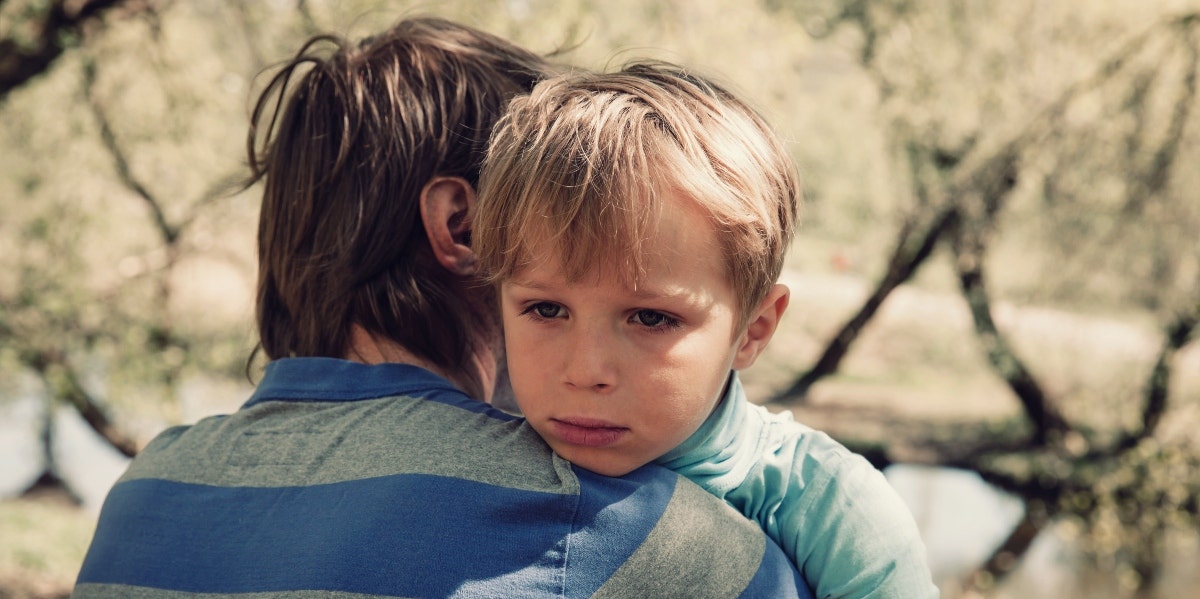
Conflict within family dynamics doesn’t always mean shouting matches.
It can look like:
Passive-aggressive comments
Silent treatment
Constant criticism
Comparing siblings
Power struggles over routines
Emotional withdrawal
According to the American Psychological Association, ongoing family stress and unresolved conflict can affect children’s emotional regulation and long-term wellbeing. (Add external trusted source here — check it’s working before publishing.)
The key issue isn’t disagreement.
It’s how it’s handled.
Why Family Conflict Happens (Even in Loving Homes)
Every family has:
Different personalities
Different stress levels
Different communication styles
Different expectations
Common triggers include:
Financial pressure
Parenting disagreements
Academic stress
Screen time battles
Comparisons between siblings
If comparison is part of your family dynamic, you may want to read our guide on why comparing children does more harm than good. Comparison often fuels resentment and insecurity — two major drivers of conflict.
How to Deal with Family Conflict in the Moment

When emotions rise, logic drops.
Here’s how to stay steady:
1. Pause Before Reacting
Take one deep breath.
Lower your voice instead of raising it.
Regulation is contagious. If you calm yourself first, you help calm the room.
2. Use “I” Statements Instead of Blame
Instead of:
“You never listen!”
Try:
“I feel overwhelmed when I have to repeat myself.”
This reduces defensiveness.
3. Focus on the Problem, Not the Person
Shift from:
“You’re always irresponsible.”
To:
“Let’s figure out how we can make mornings smoother.”
Attack the issue, not each other.
4. Take Breaks When Needed
Sometimes the healthiest move is space.
Say:
“We’re both upset right now. Let’s take 10 minutes and come back to this.”
This models emotional regulation for your child.
When Conflict Becomes Unhealthy
Not all conflict is equal.
Red flags include:
Name-calling
Intimidation
Emotional manipulation
Physical aggression
Ongoing unresolved hostility
If children begin showing anxiety, aggression, or withdrawal, it’s a sign the environment feels unsafe to them.
If you’re noticing behaviour changes in your child, exploring structured parenting strategies can help rebuild stability and consistency at home.
How Family Conflict Affects Children
Children often blame themselves for family tension.
They may:
Try to “fix” the conflict
Become overly compliant
Act out
Withdraw emotionally
Research from the National Institute of Mental Health shows that chronic family stress can contribute to anxiety and mood difficulties in children. (Add external trusted source here — check it’s working before publishing.)
The good news?
Repair matters more than perfection.
When children see adults apologize, reflect, and reconnect, they learn resilience.
Long-Term Strategies for Managing Conflict Within Family Life
Build Regular Connection Time
Conflict decreases when connection increases.
Even 10 minutes of undivided attention daily can reduce tension.
Create Clear Family Agreements
Instead of reacting to chaos, proactively set:
Screen time rules
Morning routines
Chore expectations
Respect guidelines
Consistency reduces power struggles.
Model Healthy Apologies
Children learn conflict resolution from you.
Say:
“I shouldn’t have raised my voice.”
“I was frustrated, but that’s not your fault.”
This teaches accountability.
Where Can I Find Family Counselling Services Near Me?
If family conflict feels ongoing, intense, or emotionally draining, outside support can help.
Family counselling is not a sign of failure.
It’s a sign of investment.
You can start by:
Asking your GP or pediatrician for referrals
Searching your local council or government health website
Contacting school counseling services
Looking for licensed family therapists in your area
Search terms to use:
“Family counselling services near me”
“Licensed family therapist [your city]”
“Child and family mental health services”
Look for professionals who specialize in:
Family systems therapy
Parenting support
Conflict resolution
Child emotional wellbeing
If You Feel Stuck Right Now
You may feel:
Tired of repeating yourself
Frustrated with constant arguing
Guilty for losing patience
Worried about how conflict is affecting your child
You don’t have to solve it alone.
Sometimes a neutral space to talk through patterns can shift everything.
👉 Book your free parent support call here
A calm conversation can bring surprising clarity.


