How to Discipline Your Child Without Yelling | Parenting Coach Guide
Yelling is the most common “I didn’t want to shout, but I did” moment for parents.
You do not yell because you are a bad parent. You yell because you are overwhelmed, overstimulated, and out of tools.
As a parenting coach, here is what I see every day:
Children do not behave better when the adult becomes louder.
They behave better when the adult becomes clearer and calmer.
Below is the discipline approach I teach in my sessions. It works for busy parents, stressed households, multicultural families, and children with strong temperaments.
This method will reduce yelling, increase cooperation, and strengthen the emotional safety in your home.
1. Why Yelling Doesn’t Work
Many parents believe yelling “gets the message across.”
Psychology shows the opposite.
Yelling often:
shuts down the child’s ability to listen
triggers fight–flight instead of learning
stops behaviour only momentarily
damages trust and emotional safety
teaches the child to use yelling as communication
My reminder to parents:
Yelling gives temporary control but long-term disconnection.
Calmness gives long-term control and long-term cooperation.
2. Regulate Yourself Before You Speak

You cannot teach calm behaviour while being dysregulated yourself.
Here is the 10-second reset I teach parents:
Pause.
Place one hand on your stomach.
Inhale for four seconds.
Exhale for six seconds.
Speak only when the body softens.
This simple step prevents most yelling episodes.
3. Connection Before Correction
Children listen better when they feel safe and acknowledged.
Before giving instructions:
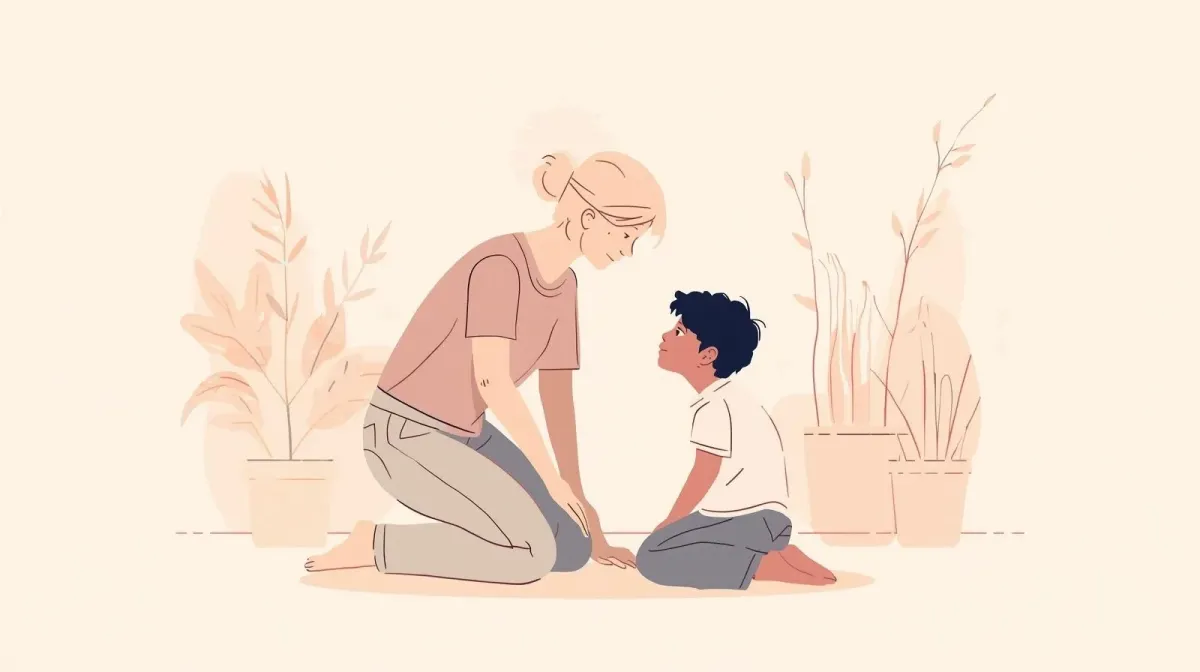
go down to their eye level
use their name
make gentle eye contact
speak in a low, steady tone
Examples:
“Aiden, shoes on please.”
“Maya, toys in the basket now.”
“Nina, gentle hands.”
Short, calm, direct.
4. Use “Firm Calm”—the Most Effective Discipline Style
Many parents mistake “calm” for “soft.”
Effective discipline is calm and firm at the same time.
I teach the 4 Cs of Firm Calm:
Clear – “We do not hit.”
Calm – no raised voice.
Consistent – the rule stays the same every day.
Consequential – a logical follow-up action happens.
Firm Calm is leadership, not force.
5. Use Logical Consequences (Not Punishment)
Logical consequences are connected directly to the behaviour.
Examples:
Behaviour → Logical consequence
Throwing toys → toys take a 10-minute break
Not getting ready → less playtime before bed
Shouting at sibling → repair moment (“make it right”)
Consequences are:
consistent
predictable
non-emotional
educational
Punishment creates fear. Consequences create learning.
6. Use the “When–Then” Technique
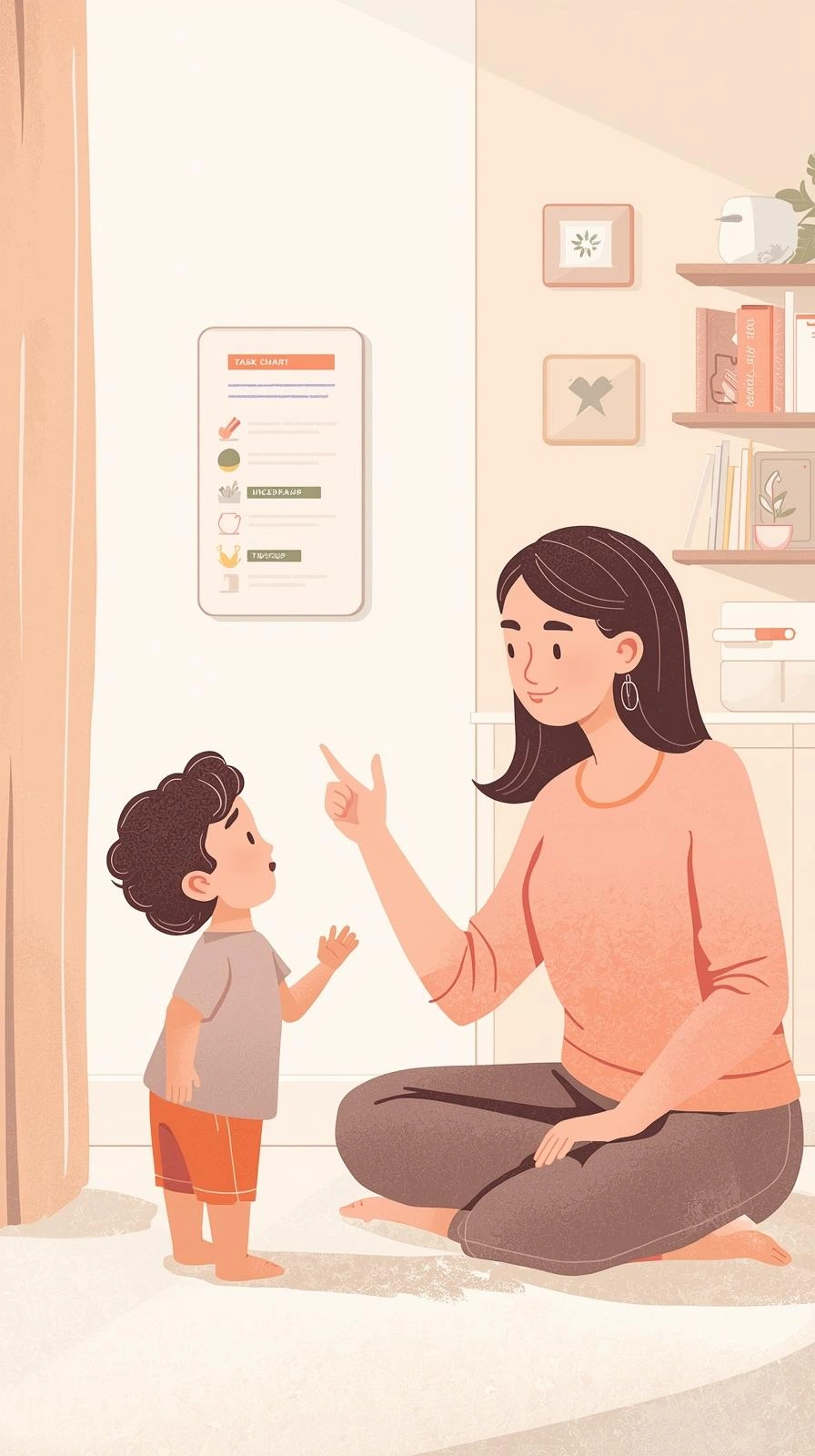
Instead of repeating or escalating your voice, use:
“When you finish ___, then we will ___.”
Examples:
“When teeth are brushed, then we read stories.”
“When toys are put away, then you choose a show.”
This structure reduces power struggles and keeps you from yelling the same instructions over and over.
7. Offer Limited Choices
Children need autonomy, but not unlimited freedom.
Give two controlled choices:
“Red cup or blue cup?”
“Bath now or in five minutes?”
“Walk or scooter?”
Choices reduce defiance by giving the child small, manageable control.
8. Use Emotion Coaching
A child who cannot express their emotions often expresses them through behaviour.
Before correcting the behaviour:
Name the feeling
State the boundary
Example:
“You’re frustrated because you wanted the tablet.
But the rule is no screen before dinner.”
This approach de-escalates the child’s nervous system and reduces shouting-trigger behaviours.
9. Use Time-INs Instead of Time-OUTs
For younger children, isolating them increases stress and emotional flooding.
A time-in looks like:
sitting near the child
offering calm presence
saying: “I am here. You’re safe. Let’s calm down together.”
This teaches regulation instead of fear.
10. Praise Specific Behaviours, Not the Child’s Identity
Yelling focuses attention on what went wrong. Calm leadership reinforces what is going right.
Use specific praise:
“You put your shoes on quickly. That was helpful.”
“Thank you for using gentle hands.”
“You listened the first time. That showed responsibility.”
Specific praise builds the behaviour you want to see.
11. Scripts Parents Can Use Today
These are the scripts that most parents in my sessions find transformative:
To stop yourself from yelling:
“I am not going to shout. I will speak when I am calm.”To set a boundary:
“The rule is no hitting. I can help you calm down.”To redirect:
“This is not safe. Let’s choose something else.”To apply a consequence:
“If the toy is thrown again, it will take a break.”
Consistency is the key.
12. When to Seek Additional Support
If your child frequently:
becomes physically aggressive
shows extreme emotional reactions
cannot calm down even with support
has sudden behaviour changes
…it may be related to:
sensory overload
anxiety
overstimulation
sleep issues
ADHD-like traits
In these cases, speak to a GP, SENCO, or behaviour specialist.
Support does not mean something is “wrong.”
Support gives you tools.
Final Message from Bakshi Sidhu
Calm discipline is not about being perfect. It is about being intentional. A child does not need a quieter house. They need a calmer leader.
Every time you choose connection over shouting, you strengthen your child’s emotional foundation and your own parenting confidence.
You are already doing more than you realise.


