
How to Help Your ADHD Child: Calm, Practical Guidance from a Certified Parenting Coach
Parenting a child with ADHD can feel exhausting, confusing, and emotionally heavy—especially when traditional advice doesn’t seem to work.
You may find yourself asking:
Am I doing enough?
Why does everything feel harder for my child?
How can I support them without constant conflict?
In a powerful short video, certified life and parenting coach Bakshi Sidhu shares a reminder many parents need to hear:
Your child doesn’t need fixing. They need understanding, structure, and calm leadership.
This article expands on that message and walks you through how to help a child with ADHD in ways that are realistic, compassionate, and backed by evidence.
Watch: How to Help Your ADHD Child
Understanding What ADHD Really Looks Like at Home
ADHD is not a lack of effort or discipline.
It is a neurodevelopmental difference that affects:
Emotional regulation
Impulse control
Focus and task initiation
Transitions and flexibility
Children with ADHD often want to behave well—but their nervous system struggles to keep up.
If you want a deeper explanation, this guide may help:
👉 Is ADHD a Disability? Understanding ADHD and Your Child’s Rights
How to Help a Child With ADHD (What Actually Works)
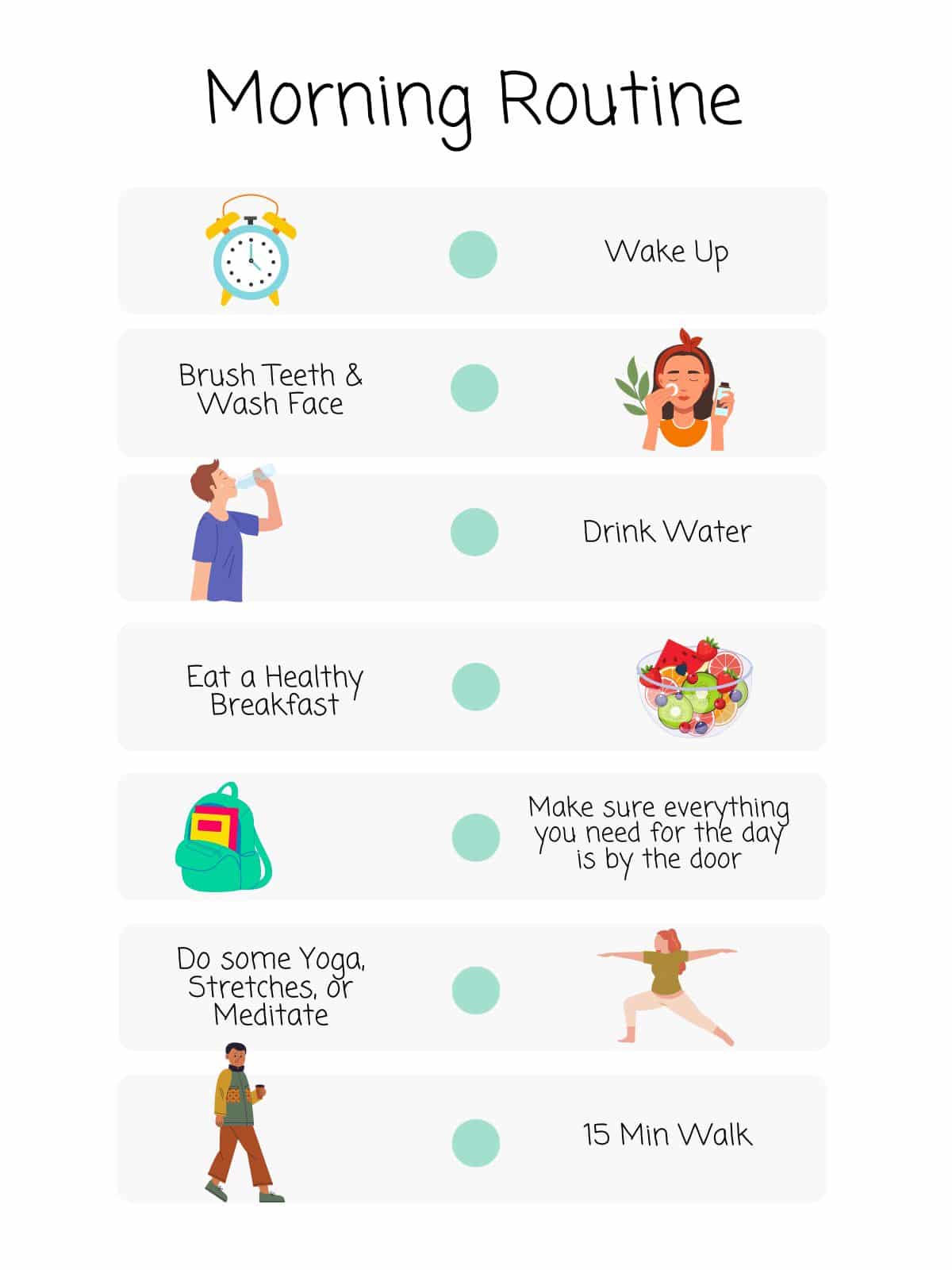
1. Lead With Structure, Not Control
Children with ADHD feel safer when the world is predictable.
Helpful structure includes:
Consistent wake-up and bedtime routines
Visual schedules instead of verbal reminders
Clear expectations before transitions
Structure reduces anxiety and emotional overload—not independence.
Trusted source:
🔗 CDC – ADHD Treatment & Parenting Support
2. Regulate First, Correct Later
When a child is overwhelmed, their brain is not ready to learn.
Instead of:
❌ “Calm down right now”
Try:
✅ “I see you’re struggling. I’m here.”
Connection comes before correction.
Custom HTML/CSS/JAVASCRIPT
3. Use Short, Clear Communication
Children with ADHD process information best when it’s:
Simple
One step at a time
Paired with visual cues
This approach also helps how to help someone with ADHD—children and teens.
Trusted source:
🔗 Child Mind Institute – ADHD Parenting Guide
4. Reinforce Progress, Not Perfection
ADHD children hear more correction than praise.
Shift the focus to:
Effort
Small improvements
Emotional recovery
This builds motivation and self-esteem over time.
What About Caffeine, Cannabis, and Medication?
Does caffeine help ADHD?
Some parents ask this—but research is mixed.
Caffeine may increase alertness short-term, but it can also:
Disrupt sleep
Increase anxiety
Worsen emotional regulation
It is not a recommended ADHD treatment, especially for children.
Does cannabis help with ADHD?
There is no strong clinical evidence supporting cannabis for ADHD in children or teens.
Some studies suggest it may impair attention and memory development.
Always consult a medical professional before considering any substance-based approach.
Trusted source:
🔗 ADDitude Magazine – Cannabis & ADHD
Does ADHD medication help with anxiety?
Sometimes—indirectly.
When ADHD symptoms are better managed:
School stress may decrease
Emotional overwhelm may reduce
However, medication responses vary widely. Anxiety should always be discussed separately with a qualified clinician.
The Environment Matters More Than You Think
Children with ADHD are highly sensitive to their surroundings.
That includes:
School settings
Childcare providers
Adult expectations
If your child struggles outside the home, this guide is essential:
👉 How to Find an ADHD-Friendly Childcare Provider
Natural, Everyday Ways to Support ADHD at Home
Medication is not the only support path.
Many families benefit from:
Movement-based breaks
Sensory regulation
Predictable routines
Emotion coaching
You can explore these in detail here:
👉 7 Natural Ways to Help Your Child Manage ADHD


