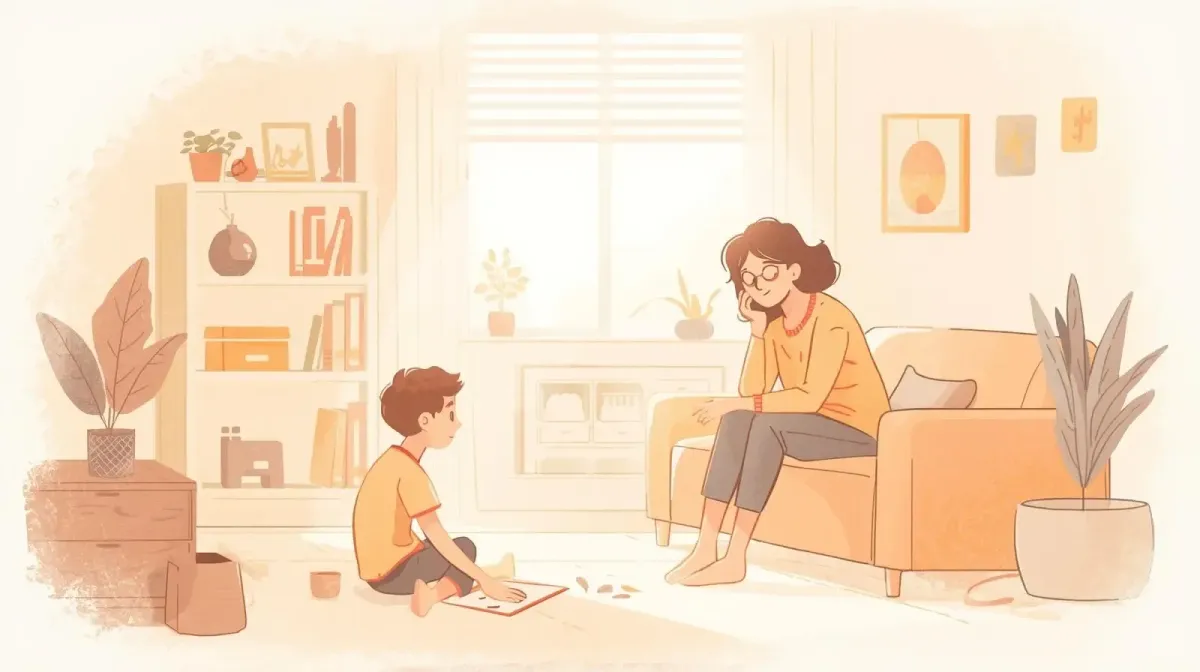
Parents’ Double Standards: Common Examples Children Experience in Family Life
Introduction
Most parents genuinely want to raise kind, respectful, emotionally healthy children.
And yet, parents’ double standards often appear quietly in everyday family life — not because parents don’t care, but because parenting happens under pressure.
Long days, lack of sleep, emotional stress, and responsibility can cause adults to react rather than reflect. In these moments, expectations can shift without us noticing. Children are then asked to meet standards that feel inconsistent, unclear, or impossible.
Children may not have the words to explain this — but they feel it.
Over time, repeated experiences of unfairness or inconsistency can influence how children view themselves, authority, and emotional expression within the family.
A short moment worth reflecting on
This short video captures something many parents recognise instantly:
we often expect children to show patience, emotional control, and understanding at moments when we ourselves are struggling to do the same.
It’s not an accusation — it’s an invitation to reflect.
What are parents’ double standards?
Parents’ double standards occur when children are held to rules, behaviours, or emotional expectations that adults do not consistently follow themselves.
These standards are usually unintentional. They emerge when:
adults are stressed or overwhelmed
routines are rushed
emotions run high
long-standing family habits take over
From a child’s perspective, double standards feel confusing. What matters most to children is not whether rules make logical sense — but whether they feel fair and predictable.
When expectations change without explanation, children may feel unsafe, unsure, or constantly “getting it wrong.”
Many parents recognise these moments only in hindsight — reflection takes time, and support can make that process gentler.
Common examples of parents’ double standards in family life

1. Expecting emotional control from children but not from adults
Parents may tell children to:
calm down
stop crying
manage frustration quietly
At the same time, children may witness adults raising their voices, snapping, or expressing strong emotions openly.
For a child, this creates a confusing message:
Big emotions are acceptable for adults — but not for me.
This can lead children to suppress emotions or feel ashamed of natural emotional responses.
2. Enforcing rules inconsistently
Rules that change depending on mood, energy level, or circumstances can be especially difficult for children.
For example:
something that was “not allowed” yesterday becomes acceptable today
consequences vary depending on how tired the parent is
expectations shift without explanation
Inconsistent rules don’t just confuse children — they increase anxiety. Children may constantly try to “read” the adult’s mood rather than focus on learning behaviour.
3. Expecting patience while modelling impatience
Children are often expected to:
wait quietly
not interrupt
manage boredom
Meanwhile, adults may rush, interrupt conversations, show irritation in queues, or become visibly impatient during delays.
Children learn more from what they observe than what they are told. When patience is demanded but not demonstrated, children struggle to understand what is truly expected of them.
4. Tolerating adult mistakes but punishing children’s

Adults forget things, lose their temper, or make mistakes — and often explain why:
“I had a stressful day”
“I was overwhelmed”
“I didn’t mean it”
Children make similar mistakes, yet may hear:
“You should know better”
“How many times do I have to tell you?”
“That’s unacceptable”
This can teach children that mistakes are normal for adults — but unacceptable for them.
5. Asking children to communicate calmly while dismissing their feelings
Research from the Child Mind Institute explains that children often act out when expectations exceed their emotional or developmental capacity, especially during moments of stress or overwhelm.
Parents often encourage children to “use their words.”
But when children do express their feelings, they may hear:
“That’s not a big deal”
“You’re overreacting”
“You’re too sensitive”
Over time, children may stop expressing emotions honestly and instead act them out through behaviour.
Feeling heard matters more than being corrected.
Why parents’ double standards affect children deeply

Children are still developing critical skills, including:
emotional regulation
impulse control
problem-solving
executive functioning
When expectations consistently exceed a child’s emotional capacity, ongoing stress can build over time. In these situations, accessing appropriate mental health support services for children and young people can help families understand what support is available and when to seek extra help.
This often shows up as:
meltdowns
withdrawal
defiance
anxiety
These reactions are not signs of poor behaviour — they are signs of stress and unmet emotional needs.
For children with ADHD, sensory sensitivities, or emotional regulation challenges, inconsistent expectations can feel especially destabilising.
Double standards vs developmental ability
Many parenting challenges stem from confusing:
what a child should do
with
what a child is currently able to do
Children do not yet have adult brains. Expecting adult-level self-control, reasoning, or emotional regulation can lead to repeated failure — and internalised shame.
Developmentally appropriate expectations help children grow. Unrealistic ones often do the opposite.
How to reduce parents’ double standards (without guilt)
1. Pause before correcting
Before responding, ask:
Would I manage this expectation well if I were overwhelmed right now?
If the answer is no, the expectation may need adjusting.
2. Model emotional regulation openly
Say things like:
“I’m feeling frustrated, so I’m taking a breath.”
“I raised my voice — that wasn’t helpful. I’m sorry.”
This teaches emotional skills in a way rules never can.
3. Separate behaviour from identity
Correct actions without labelling the child:
“That behaviour isn’t okay”
instead of“You are naughty”
Children need boundaries — but also emotional safety.
4. Adjust expectations for neurodivergent children
Fair does not mean equal.
Some children need:
more time
more structure
more emotional support
Meeting children where they are is not lowering standards — it’s supporting growth.
A gentle reframe for parents
Instead of asking:
“Why won’t my child behave better?”
Try asking:
“What support does my child need to meet this expectation?”
This shift often changes not just behaviour — but the entire emotional tone of family life.
Final thoughts
Parents’ double standards are common — and understandable.
What matters most is not perfection, but reflection, repair, and willingness to grow.
When children see adults learning, apologising, and adjusting expectations, they don’t lose respect.
They gain trust — and trust is where healthy development begins.
If this article made you pause and reflect, you’re not alone. Parenting is a learning process — and noticing patterns is often the first step toward change.
You may find it helpful to explore more gentle, evidence-informed parenting reflections on LittleOnesLifeCoach, including support around emotional regulation, everyday behaviour challenges, and ADHD-aware parenting approaches.


