
Toddler Speech Delay: What’s Normal in the UK? A Parent’s Guide to Early Communication
Introduction: When Parents Start Worrying About Speech
Many parents begin to worry when their toddler isn’t talking as much as other children the same age. You may notice your child pointing instead of speaking, using only a few words, or not combining words yet.
If this sounds familiar, you're not alone. Toddler speech delay is one of the most common concerns parents have during the early years. In the UK, many children develop speech at slightly different speeds — and sometimes what looks like a delay may simply be a child following their own developmental timeline.
However, understanding what is normal and what might need support can help parents act early and confidently.
In this guide, we’ll cover:
What toddler speech development typically looks like in the UK
Common signs of speech delay in a 2-year-old
Effective home activities to encourage talking in toddlers
The best interactive toys to help improve toddler speech delay
When it may be helpful to speak with a professional
Most importantly, we’ll show you how small daily changes at home can support your child’s communication and confidence.
What Is Toddler Speech Delay?
A toddler speech delay happens when a child is slower to develop spoken language compared with typical developmental milestones.
Children develop speech at different speeds, but by around 18–24 months, many toddlers usually begin to:
Say around 20–50 words
Attempt simple two-word phrases like “more milk” or “mummy up”
Follow simple instructions
Imitate sounds and words they hear
Some children may reach these milestones later — and still catch up quickly once they begin speaking more frequently.
According to the UK’s NHS guidance on speech development, toddlers may benefit from additional support if speech milestones are significantly delayed.
(Add external trusted source here — check it’s working before publishing)
The key for parents is not panic — but awareness and early encouragement.
What Are Common Signs of Speech Delay in a 2-Year-Old?
Parents often notice subtle signs before a clear delay becomes obvious. While every child is different, the following behaviours may suggest your toddler needs extra support with language development.
Limited vocabulary
By age two, many toddlers typically use at least 20–50 words. If your child says only a few words or relies mostly on gestures, this could indicate slower speech development.
Difficulty combining words
Around two years old, toddlers often begin forming simple phrases such as:
“more juice”
“mummy come”
“big ball”
If your child uses single words only, it may simply mean they need more exposure to language interaction.
Not copying sounds or words
Children naturally imitate what they hear. If your toddler rarely attempts to repeat words, sounds, or animal noises, this can sometimes be a sign of delayed speech development.
Frustration when trying to communicate
Toddlers who struggle to express themselves may:
cry easily when misunderstood
rely heavily on pointing
pull parents toward objects instead of asking
This frustration is often a strong indicator that communication support may help.
What Is Normal Speech Development in the UK?

Speech development follows general stages, although timing can vary.
Around 12 months
Children often begin saying simple words like:
mama
dada
bye-bye
They also respond to their name and basic instructions.
Around 18 months
Toddlers may:
say 10–20 words
point to objects when named
understand simple questions
Around 24 months
Many toddlers begin:
combining two words
using 50+ words
naming familiar objects
However, some children develop language later and quickly catch up once their vocabulary expands.
Parents who feel unsure should trust their instincts — early guidance can make a big difference.
Effective Home Activities to Encourage Talking in Toddlers
One of the most powerful ways to support toddler speech is through daily interaction, not structured teaching.
Here are some simple activities that encourage communication naturally.
1. Narrate Your Day
Talking about what you’re doing exposes toddlers to constant language.
For example:
“Mummy is cutting the apple.”
“We are putting on your shoes.”
“Look at the big bus!”
This builds vocabulary through everyday routines.
2. Read Books Together Every Day
Picture books encourage toddlers to connect words with objects.
Instead of just reading the text, try asking:
“Where is the dog?”
“What sound does the cow make?”
“Can you find the ball?”
Even toddlers who are not speaking yet often respond with gestures or sounds.
3. Pause and Give Your Child Time to Respond
Parents often speak quickly or anticipate what a child wants.
Instead, pause and wait.
For example:
“Do you want… milk or juice?”
Then give your toddler a few seconds to attempt a response.
These small pauses encourage speech attempts.
4. Expand What Your Child Says
If your child says:
“car”
You can expand:
“Yes! Blue car! The car is driving!”
This helps toddlers hear longer sentences built from their words.
5. Turn Everyday Moments into Conversation
Speech development grows during play, meals, bath time, and walks.
Examples:
describing colours and shapes
naming animals
talking about what your child sees
The more children hear language, the easier it becomes for them to use it.
What Are the Best Interactive Toys to Help Improve Toddler Speech Delay?

Certain toys naturally encourage conversation and imitation.
The goal is interaction, not passive entertainment.
Pretend play toys
Items such as:
toy kitchens
dolls
play food
toy phones
encourage toddlers to act out conversations.
For example:
“Hello? Who is calling?”
Animal toys
Animal figures help toddlers practice sounds.
Parents can say:
“The cow says moo.”
“The dog says woof.”
Children often love repeating these sounds.
Books with sound buttons
Interactive books encourage toddlers to press buttons and associate sounds with words.
This strengthens listening and speech development.
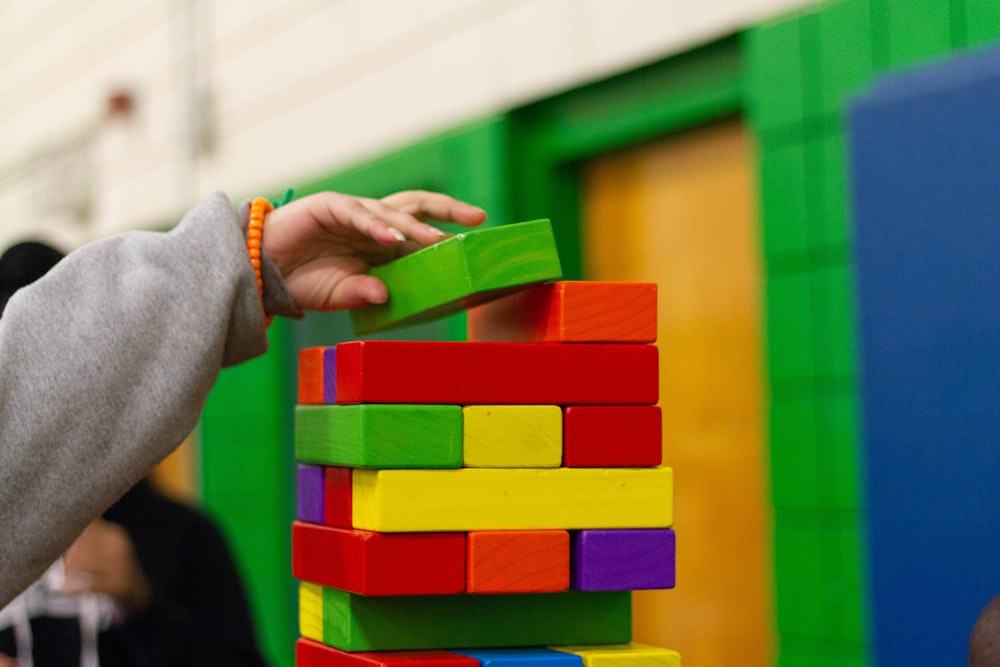
Building blocks
Blocks allow parents to introduce words like:
big
small
up
fall
Describing actions during play expands vocabulary naturally.
Emotional Support Matters Too
Speech delays can sometimes affect a toddler’s confidence.
Children who struggle to express themselves may feel frustrated or withdrawn.
Parents can help by:
staying calm and encouraging
celebrating small communication attempts
avoiding pressure or comparisons with other children
Supportive environments help toddlers feel safe experimenting with language.
When Parents Need Extra Support
Sometimes parents simply need reassurance. Other times, guidance from an expert can help identify strategies that work best for their child.
If you're feeling unsure about your child’s speech development, speaking with a specialist can provide clarity and practical steps tailored to your child.
Many parents find that even one supportive conversation can help them understand what their child truly needs next.
👉 If you’d like personalised guidance, you can book a free call with Bakshi to discuss your child’s development and explore practical strategies that support communication at home.
Related Parenting Guides
If you're exploring ways to support your child’s development, these resources may also help:
Parents navigating behaviour challenges may find helpful strategies in
https://www.littleoneslifecoach.com/post/discipline-teenager-who-ignores-consequences
If your child will soon begin nursery, this guide explains how to make the transition smoother:
https://purplebeesdaynursery.com/blog/how-to-prepare-your-child-for-nursery/
Both guides offer practical insights for building confidence and independence during early childhood.
Final Thoughts
Toddler speech delay can feel worrying for parents — but many children simply need more time, interaction, and encouragement.
The most important things parents can do are:
talk frequently with their child
create playful language opportunities
stay patient and supportive
Early communication grows through connection, play, and everyday moments together.
And if you ever feel unsure, reaching out for guidance can provide the reassurance and tools you need to support your child with confidence.


