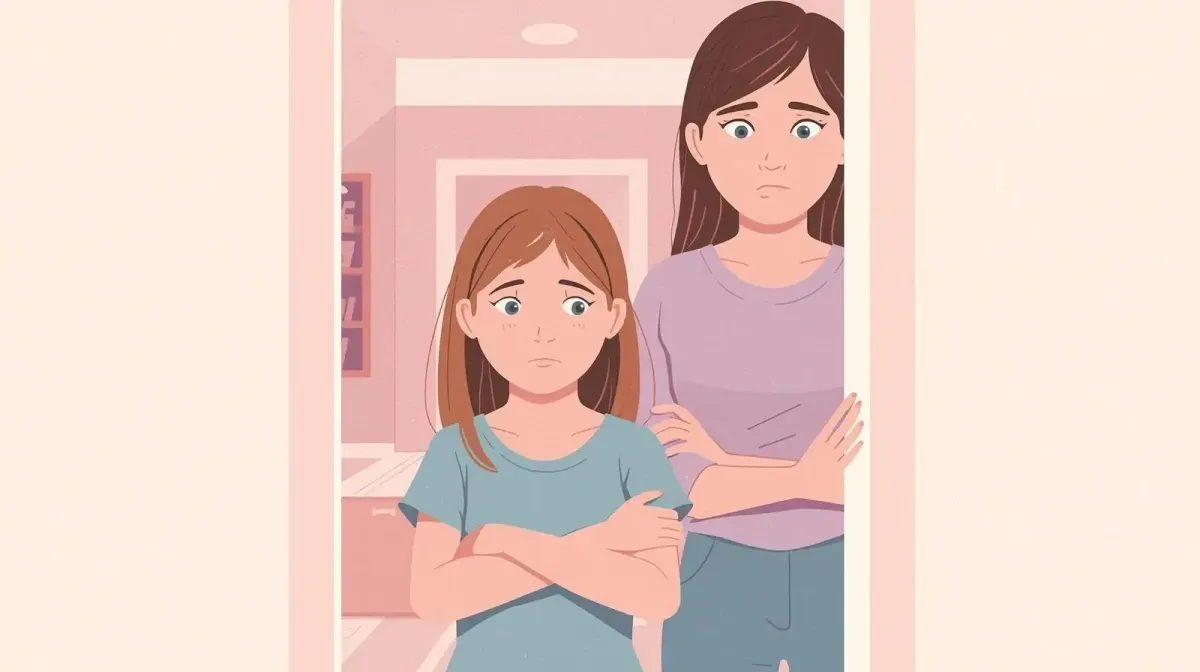
Why Does My Teenager Hate Me? (And How to Rebuild Your Relationship Before It’s Too Late)
“Why Does My Teenager Hate Me?”
You used to be their safe place.
Now:
They roll their eyes.
They barely speak.
Everything you say feels “wrong.”
You’re met with sarcasm, silence, or anger.
And quietly, maybe late at night, you search:
“Why does my teenager hate me?”
First — take a breath.
What you’re feeling is more common than most parents admit.
And in most cases, it’s not hatred.
It’s adolescence.
Why Teenagers Suddenly Seem to Hate Their Parents
Teenagers don’t wake up one day deciding to resent you.
But developmentally, they are wired to:
Seek independence
Question authority
Challenge boundaries
Form identity separate from family
This often looks like:
Irritation
Emotional distance
Disrespect
Withdrawal
Defensiveness
What feels personal… is often developmental.
But that doesn’t mean it doesn’t hurt.
Why Does My Teenager Seem to Resent Me?
Resentment usually grows from one of these dynamics:
1. They Feel Controlled
If every interaction feels corrective, they may pull away.
2. They Feel Misunderstood
Teens crave being seen for who they are becoming — not who they were at 8.
3. There’s an Ongoing Power Struggle
If discipline has turned into constant escalation, resentment builds.
If that sounds familiar, you may find this helpful:
👉 https://www.littleoneslifecoach.com/post/discipline-teenager-who-ignores-consequences
Sometimes what feels like “hate” is actually exhaustion — on both sides.
The Truth: Teens Push Away to Grow
Adolescence is a psychological separation phase.
Your teen must emotionally differentiate from you in order to develop identity.
That doesn’t mean:
You failed.
They don’t love you.
The relationship is broken.
It means the dynamic needs to evolve.
Control must shift to guidance.
Correction must shift to conversation.
How to Improve Your Relationship With Your Teenager
If your teen feels distant, here’s where to begin:
1. Reduce Correction, Increase Curiosity
Ask more questions.
Give fewer lectures.
2. Separate Behaviour From Identity
Instead of:
“You’re so disrespectful.”
Try:
“That comment felt hurtful. Let’s talk about it.”
3. Build Connection Outside Conflict
Drive together.
Walk together.
Do something neutral.
Connection grows in ordinary moments.
When Should You Seek Support?
If your relationship feels:
Chronically hostile
Emotionally disconnected
Full of silence
Filled with escalating arguments
Support can help shift the pattern.
If you’re unsure what parenting support actually looks like, this article explains clearly:
👉 https://www.littleoneslifecoach.com/post/what-happens-in-parenting-coaching-sessions
Many parents wait too long to get help — not because they don’t care, but because they feel ashamed.
There is no shame in wanting support.
What Online Counselling Services Are Recommended for Parents Struggling With Teenage Conflicts?
When your relationship with your teenager feels strained, distant, or filled with constant tension, it’s easy to feel stuck — or even ashamed to ask for help.
But struggling silently only deepens the disconnect.
While traditional counselling services can be helpful, many parents don’t necessarily need long-term therapy. What they need is:
A clear strategy
Practical communication tools
Calm boundary guidance
A neutral space to talk through what’s really happening
Someone who understands teen psychology and family dynamics
If your home feels tense, reactive, or emotionally draining right now, structured parenting coaching may be the most direct and supportive next step.
Instead of analysing the past, we focus on:
✔ What’s happening right now
✔ Why your teen is responding the way they are
✔ How to reduce power struggles
✔ How to rebuild trust
✔ How to shift from control to connection
You don’t have to figure this out alone.
If you’re ready for clarity, calm guidance, and a personalised plan tailored to your family — you can start with a confidential free call.
👉 Book your free parent strategy call here: https://www.littleoneslifecoach.com/free-call-form
Because the earlier you shift the dynamic, the easier it is to repair the relationship.
Are There Apps That Help Parents Communicate Better With Teenagers?
Yes — while no app replaces relationship work, some tools can support communication:
OurFamilyWizard – Structured communication platform
https://www.ourfamilywizard.co.ukHeadspace (for emotional regulation support)
https://www.headspace.comCalm – Mindfulness support for parents
https://www.calm.com
Apps don’t fix disconnection — but they can support emotional regulation and clarity.
Recommended Books on Improving Parent-Teen Relationships (UK Links)
Here are trusted books available in the UK:
The Whole-Brain Child – By Daniel J. Siegel & Tina Payne Bryson
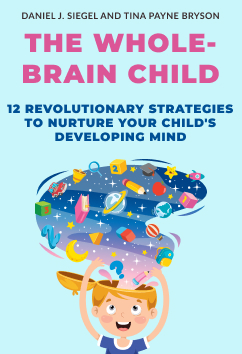
This bestselling book explains how your child’s brain develops — and why emotional reactions, shutdowns, and outbursts happen. While written for younger children, its neuroscience foundation is incredibly helpful for understanding teenage behaviour too.
You’ll learn:
Why teens seem irrational at times
How to respond without escalating
How to strengthen emotional regulation
How to stay calm when your teen isn’t
This book gives you the science behind connection-based parenting.
No-Drama Discipline – Daniel J. Siegel
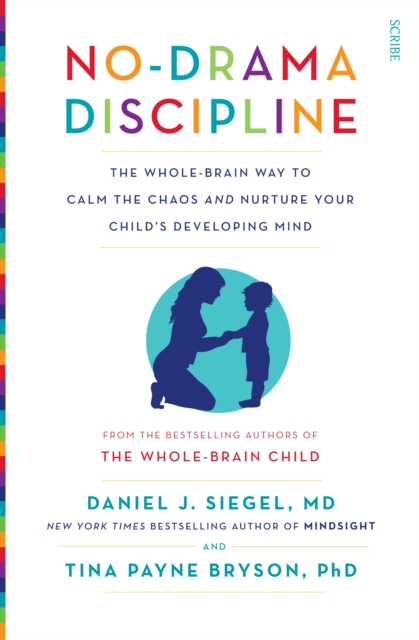
If you’re tired of yelling, lecturing, or constant power struggles, this book reframes discipline entirely.
Instead of punishment, it focuses on teaching.
You’ll discover:
How to set boundaries without anger
What discipline really means (it’s not control)
How to turn conflict into growth
How to repair after arguments
It’s practical, reassuring, and deeply empowering.
The Explosive Child – Dr. Ross Greene

If your teen seems constantly defiant, reactive, or emotionally intense, this book introduces the Collaborative & Proactive Solutions (CPS) model.
It shifts the question from:
“How do I make them behave?”
To:
“What skills are missing — and how do we build them together?”
You’ll learn:
Why consequences sometimes fail
How to reduce power struggles
How to solve problems collaboratively
How to rebuild trust through partnership
This is especially powerful for teens who seem resistant to traditional discipline.
These focus on:
✔ Brain development
✔ Emotional regulation
✔ Reducing power struggles
✔ Strengthening connection
What If My Teen Really Does Hate Me?
Even when teens say:
“I hate you.”
It usually means:
“I’m overwhelmed.”
“I feel misunderstood.”
“I need more autonomy.”
“I don’t know how to express this.”
Hatred is rarely the root.
Disconnection is.
And disconnection can be repaired.
💗 You Don’t Have to Navigate This Alone


