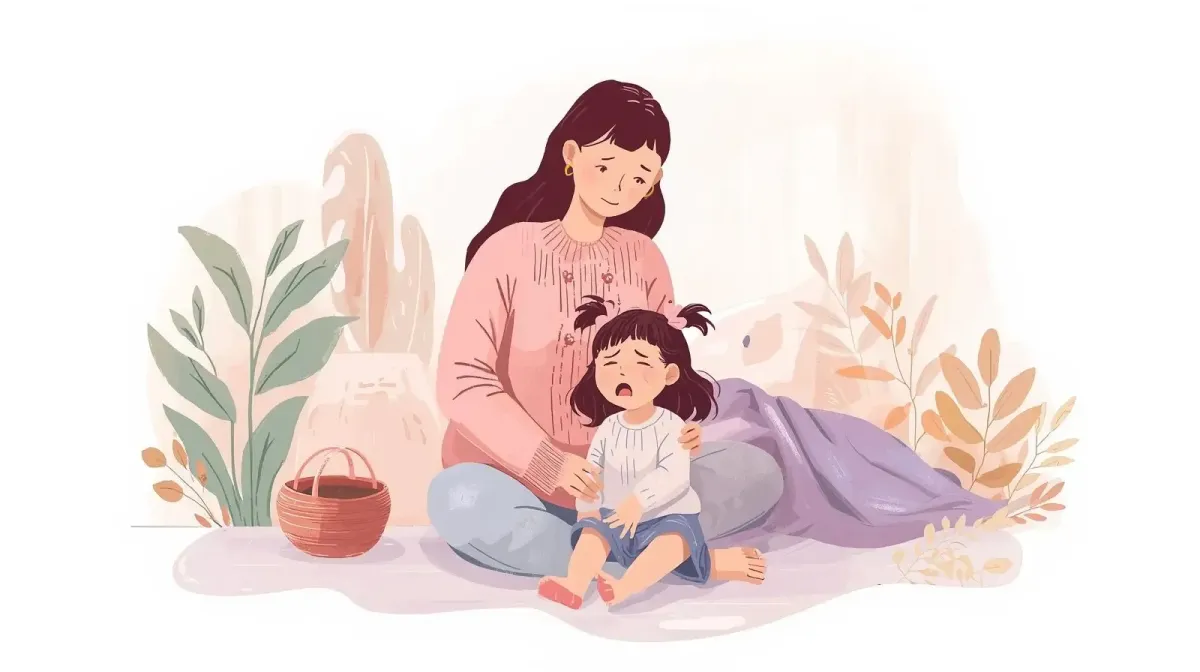
Why You Don’t Need to Raise a “Happy” Child to Be a Great Parent
If you are parenting a child with ADHD, you may be carrying a quiet, constant pressure in your chest.
A pressure to keep your child happy.
A pressure to stop the tears quickly.
A pressure to prevent meltdowns — especially in public.
A pressure to prove (to yourself or others) that you’re doing a good job.
And when your child isn’t happy — when they are angry, overwhelmed, frustrated, or deeply upset — it can feel like a personal failure.
This article is here to gently release that pressure.
Inspired by insights shared by Bakhshi Sidhu, this piece is not about fixing your child or changing who they are. It’s about understanding what children — especially children with ADHD — actually need in order to grow into emotionally secure, resilient humans.
And the truth may surprise you:
You do not need to raise a happy child to be a great parent.
The Pressure to Raise a “Happy” Child (And Why It Hurts Parents)
Modern parenting culture often sends one clear message:
A good childhood is a happy childhood.
We see it in:
Social media images of smiling families
Advice that tells parents to “stay positive”
Comments like “Why is he so emotional?” or “She shouldn’t be this upset”
For parents of children with ADHD, this pressure is even heavier.
ADHD emotions are often:
Intense
Fast-moving
Hard to contain
Difficult to recover from
So when your child struggles emotionally, it can feel like you’re failing at something other parents seem to manage more easily.
But here’s the reframe that changes everything:
Children are not meant to be happy all the time.
They are meant to feel safe while experiencing the full range of human emotions.
Why Happiness Is Not a Healthy Parenting Goal
Happiness is a feeling — not a skill.
Like all emotions, it comes and goes. When parents aim to maintain happiness at all costs, they often (without meaning to):
Rush to stop tears
Avoid difficult emotions
Fix problems too quickly
Feel responsible for every emotional reaction
For children with ADHD, this can be especially confusing.
Instead of learning how to move through emotions, children may learn:
That uncomfortable feelings are “wrong”
That adults will step in immediately
That regulation comes from outside, not within
A healthier goal is not happiness — it is emotional regulation, emotional safety, and connection.
ADHD and Emotional Intensity: What Parents Need to Understand
ADHD is not only about attention or focus.
It is deeply connected to how a child’s nervous system processes the world.
Many children with ADHD experience:
Faster emotional reactions
Slower emotional recovery
Difficulty pausing before reacting
Overwhelm from sensory or emotional input
This is why your child may:
Cry over things that seem small
Get angry very quickly
Struggle to explain their feelings
Feel shame after emotional outbursts
This is not a character flaw.
And it is not a parenting failure.
It means your child needs support with regulation, not pressure to behave differently.
If you want a deeper understanding of ADHD-specific support approaches, this guide may help:
Emotional Dysregulation Is Not Bad Behaviour
One of the most powerful shifts in ADHD parenting is recognising this truth:
Emotional dysregulation is not misbehaviour.
When a child is dysregulated:
The thinking brain is offline
The nervous system is in survival mode
Logic, lessons, and consequences do not land
Trying to reason with a dysregulated child often leads to:
Escalation
Power struggles
Parent guilt and frustration
Regulation must come before teaching.
From Fixing Emotions to Supporting Regulation
Many parents believe their role is to:
Make the feeling go away
Calm the child as fast as possible
Prevent emotional discomfort
But your role is actually much gentler — and much more effective.
Your job is to:
Stay present
Offer calm nervous system cues
Model emotional regulation
Create emotional safety
This process is known as co-regulation.
Children learn to regulate themselves by being regulated with first.
What Co-Regulation Looks Like in Real Life
Co-regulation doesn’t require perfect words or long explanations.
Often it looks like:
Sitting nearby without forcing interaction
Speaking slowly and softly
Using fewer words, not more
Naming feelings gently
Letting silence help the nervous system settle
Examples:
“I’m here.”
“This feels really hard.”
“Your body is having big feelings right now.”
No fixing.
No rushing.
Just presence.
Why Allowing Unhappiness Builds Resilience

Resilience does not come from avoiding discomfort.
It comes from learning:
Feelings pass
Support is available
Hard moments are survivable
When children are allowed to experience sadness, anger, frustration, and disappointment with support, they develop:
Emotional confidence
Self-trust
Coping skills
When children are taught that happiness is required, they often develop:
Fear of negative emotions
Difficulty expressing needs
Shame around feelings
Resilience is not toughness.
It is emotional flexibility.
Boundaries Still Matter (Even With Big Emotions)
Supporting emotions does not mean allowing unsafe behaviour.
You can:
Hold boundaries
Say no
Protect safety
While still validating feelings.
For example:
“I won’t let you hit. I know you’re really angry.”
“I hear how upset you are. The answer is still no.”
This teaches children:
Feelings are allowed
Behaviour has limits
Adults are calm and steady
Why Parents Feel So Triggered by Children’s Emotions
Many parents struggle with their child’s emotions not because of the child — but because of their own experiences.
If you grew up:
Being told not to cry
Feeling responsible for others’ emotions
Being punished for expressing feelings
Your child’s big emotions may trigger:
Anxiety
Urgency
Helplessness
Shame
This is not your fault.
Parenting an ADHD child often invites healing for the parent too.
Practical ADHD Support Without “Fixing” the Child
Parents often ask: “What can I actually do day-to-day?”
Supportive strategies focus on environment, structure, and regulation — not changing who your child is.
You may find this resource helpful:
These approaches are about:
Reducing overwhelm
Supporting emotional regulation
Creating predictability and safety
You Are Still a Good Parent When Your Child Is Upset

This deserves to be said clearly:
Your child’s meltdown does not define your parenting
Your child’s anger does not mean you’ve failed
Your child’s unhappiness does not cancel out your love
A regulated adult matters more than a smiling child.
Children remember:
How safe they felt
How they were treated during hard moments
Whether their emotions were accepted
Not whether they were happy every day.
When Support Can Make a Difference
Parenting a child with ADHD can be emotionally demanding.
Support can help you:
Regulate your own nervous system
Respond instead of react
Feel confident in your parenting choices
Reduce daily overwhelm
Support is not about fixing your child.
It is about supporting you.
Final Reassurance for Tired Parents
You don’t need to raise a happy child.
You need to raise a child who feels safe being human.
And you don’t need to be perfect to do that.
Presence matters more than positivity.
Connection matters more than control.
Safety matters more than smiles.
If you’d like gentle support, you’re always welcome to


