ADHD and Autism Awareness: Understanding Differences, Overlap & Awareness Months
If you’ve ever found yourself wondering whether your child’s behaviour is linked to ADHD, autism, or both, you’re not alone.
Many parents and teachers notice overlapping signs like:
Difficulty focusing
Sensory sensitivities
Emotional overwhelm
Social challenges
This often leads to confusion:
👉 Is it ADHD, autism, or something else entirely?
The goal of this guide is simple:
👉 Help you understand what’s really going on - without overwhelm or medical jargon.
You’ll learn:
What ADHD and autism actually look like in real life
How they overlap (and how they differ)
When autism and ADHD awareness months take place
How to support your child in a calm, practical way
ADHD and Autism: What’s the Difference?

Although ADHD and autism are different conditions, they are often misunderstood - especially because some behaviours look similar.
ADHD (Attention Deficit Hyperactivity Disorder)
ADHD mainly affects:
Attention regulation
Impulsivity
Activity levels
Children with ADHD may:
Struggle to stay focused
Act quickly without thinking
Need constant movement
Find it hard to complete tasks
Autism (Autism Spectrum Condition)
Autism mainly affects:
Social communication
Sensory processing
Preference for routine
Children with autism may:
Prefer predictable routines
Find social interaction challenging
Be sensitive to noise, textures, or change
Focus deeply on specific interests
Autism and Attention Deficit Disorder: Why They Can Look Similar
This is where many parents feel unsure.
ADHD and autism can both include:
Difficulty focusing
Emotional dysregulation
Sensory sensitivities
Challenges in school environments
But the reason behind the behaviour is different.
👉 Example:
A child with ADHD may interrupt due to impulsivity
A child with autism may interrupt because they struggle with social timing
Understanding this difference changes how you respond - and how effective your support becomes.
Can a Child Have Both ADHD and Autism?
Yes - and it’s more common than many people realise.
This is called co-occurrence.
A child may:
Have attention difficulties (ADHD)
And also experience sensory or social differences (autism)
When both are present, behaviours can feel more intense or complex.
But it also means:
👉 There is a clearer explanation - and better ways to support your child.
📅 What Month Is Autism and ADHD Awareness Month?
Awareness months play an important role in helping families, educators, and communities better understand neurodiversity - and how to support children effectively.
🌈 Autism Awareness / Acceptance Month
April is dedicated to Autism Awareness (also increasingly called Autism Acceptance Month).
It is highlighted by:
World Autism Awareness Day on April 2
This time focuses on:
Fostering inclusion
Increasing understanding of the autism spectrum
Supporting acceptance rather than just awareness
Over recent years, there has been a shift from awareness to acceptance - encouraging people not just to recognise autism, but to truly understand and support autistic individuals.
🧠 ADHD Awareness Month
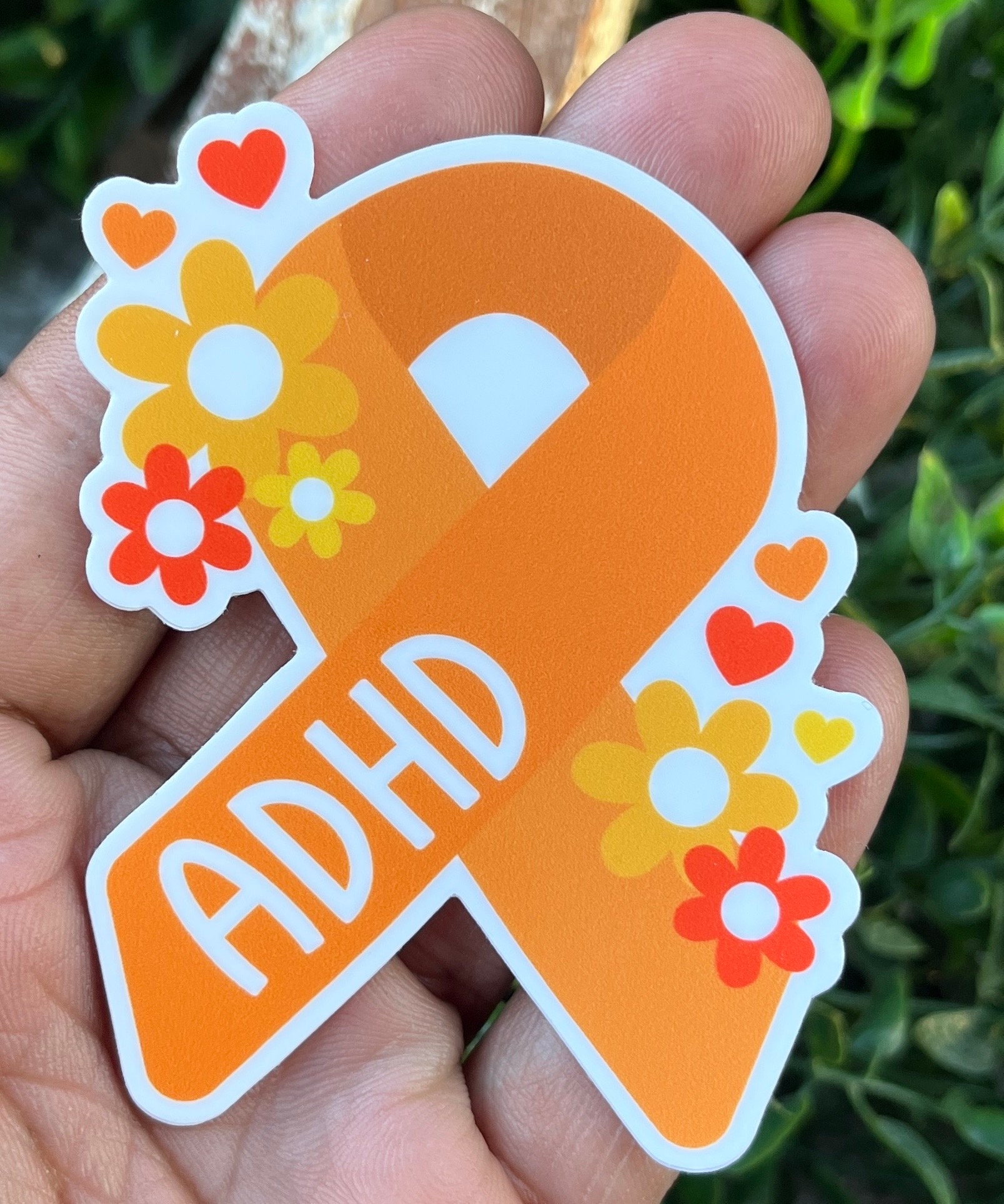
ADHD Awareness Month is observed in October.
This month focuses on:
Dispelling common myths about ADHD
Educating people on how ADHD affects children and adults
Highlighting that ADHD is a lifelong condition - not something children simply “grow out of”
It also helps bring attention to:
The emotional impact of ADHD
The importance of early support
Practical strategies for families and teachers
❓ When Is Autism and ADHD Awareness Month?
To summarise clearly:
🟣 Autism Awareness / Acceptance Month: April (with World Autism Awareness Day on April 2)
🔵 ADHD Awareness Month: October
These are key times when schools, organisations, and communities focus on support and education.
❤️ Why ADHD and Autism Awareness Matters

Awareness is not just about dates - it’s about how we see and support children.
Without understanding, children may be:
Mislabelled as “difficult”
Punished for behaviours they can’t control
Left feeling misunderstood
With awareness:
Behaviour is understood
Support becomes effective
Children feel safe and accepted
How to Support a Child with ADHD or Autism

Whether your child has ADHD, autism, or both - support starts with understanding, not control.
✔ 1. Focus on Strengths
Children with ADHD and autism often have incredible strengths:
Creativity
Curiosity
Deep focus (on interests)
Unique ways of thinking
When you focus on strengths, confidence grows.
✔ 2. Create Predictable Structure
Children feel safer when they know what to expect.
Try:
Consistent routines
Visual schedules
Preparing for transitions
✔ 3. Support Emotional Regulation
Big emotions are common - and manageable with support.
Helpful approaches:
Stay calm (even when it’s hard)
Validate feelings
Offer calming strategies
✔ 4. Adjust the Environment
Small changes can make a big difference.
For example:
Reduce noise or clutter
Allow movement breaks
Use sensory tools
✔ 5. Shift from “Fixing” to Understanding
Instead of asking:
👉 “How do I stop this behaviour?”
Try:
👉 “What is my child needing right now?”
This shift changes everything.
🔗 Practical Support for ADHD at Home
If you're looking for actionable strategies, these guides are incredibly helpful:
👉 https://www.littleoneslifecoach.com/post/12-tips-reduce-adhd-signs-in-children
(A practical guide with simple steps to reduce ADHD-related challenges)
👉 https://www.littleoneslifecoach.com/post/why-you-dont-need-to-raise-a-happy-child-adhd-parenting
(A powerful mindset shift that helps reduce pressure and build real connection)
These resources complement what you’re learning here and help you apply it daily.
🌱 Supporting Both Conditions Without Overwhelm
If your child has traits of both ADHD and autism, it can feel overwhelming at first.
But the goal is not to:
Diagnose everything perfectly
Apply every strategy at once
Instead:
👉 Focus on small, consistent support.
Start with:
One routine change
One calming strategy
One way to connect more
Over time, these small steps create meaningful change.
🧠 Common Misconceptions About ADHD and Autism
❌ “They just need more discipline”
👉 Behaviour is not a discipline issue - it’s a support need.
❌ “They’ll grow out of it”
👉 Children grow with support, not without it.
❌ “They’re being difficult on purpose”
👉 Most children are doing their best with the tools they have.
Final Thoughts
Understanding ADHD and autism is not about labels - it’s about giving your child the support they truly need.
When you understand:
Why behaviours happen
What your child needs
You move from frustration to confidence.
Awareness leads to:
Better support
Stronger relationships
More confident children
And that’s what truly matters.


