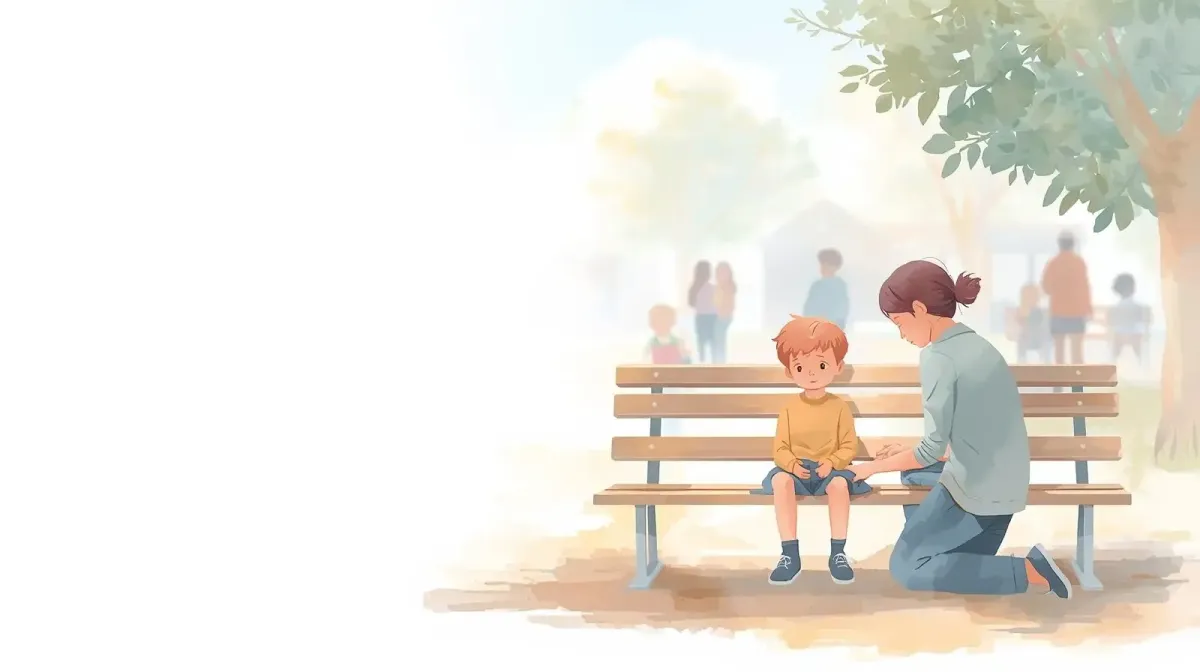
How Can I Check If My Child Is Being Bullied at School? A Parent’s Gentle Guide to Spotting the Signs and Getting Help
As a parent, there are few worries heavier than this one:
“How can I check if my child is being bullied at school?”
You may have noticed small changes. A stomach ache before school. A sudden dislike of a once-loved subject. Tears that don’t seem to have a clear reason.
Bullying rarely announces itself loudly. It often hides in behavior shifts, silence, or subtle emotional withdrawal.
In this guide, we’ll walk through:
Signs your primary school child is experiencing bullying
How to gently check in without overwhelming them
What to do if your child is being bullied
How to get professional help for them
Where to find local support groups for parents
Where to find a child therapist specialising in bullying trauma
If you’re here, it means you care deeply. That already matters more than you know.
Every child is unique, so any single sign in isolation may have other explanations. The key is to look for clusters of change and shifts from your child's personal baseline. Understanding how to identify your child's underlying needs can help you distinguish between a rough patch and something more serious.
What Is Bullying — and Why It’s Often Hard to Spot

Bullying isn’t just physical aggression.
It can include:
Repeated teasing or name-calling
Social exclusion
Online harassment
Threats or intimidation
Rumor spreading
According to the National Center for Education Statistics, a significant percentage of students report being bullied at school each year. (Add external trusted source here — check it’s working before publishing.)
The key word is repeated. Bullying creates a power imbalance and ongoing emotional harm.
The challenge? Many children don’t tell their parents.
They may:
Feel ashamed
Worry it will make things worse
Think they should “handle it themselves”
Not have the language to describe what’s happening
That’s why learning how to check gently matters.
Signs My Primary School Child Is Experiencing Bullying
Children don’t always say, “I’m being bullied.”
Instead, you might notice changes.
Emotional Signs
Sudden anxiety before school
Mood swings or irritability
Crying more easily
Low self-esteem statements (“Nobody likes me”)
Physical Signs
Frequent headaches or stomach aches
Unexplained bruises or damaged belongings
Changes in eating or sleeping patterns
Behavioral Signs
Avoiding school activities
Loss of interest in friends
Clinginess at home
Regression (bedwetting, baby talk)
Sometimes, a child who is being bullied may also start showing aggressive behavior at home. If you’ve noticed this pattern, it can help to understand the emotional drivers behind it. You may find helpful insights in our article on understanding aggressive behavior in kids with ADHD, as emotional overwhelm can show up in similar ways.
How Can I Check If My Child Is Being Bullied at School — Without Scaring Them?

The goal isn’t interrogation. It’s safety.
Instead of asking:
“Are you being bullied?”
Try:
“How are things going with the kids at school?”
“Who do you usually sit with at lunch?”
“Has anyone been unkind to you lately?”
Then pause.
Silence can feel uncomfortable, but it gives your child space to speak.
If they hesitate, reassure them:
“You’re not in trouble. I just want to understand how you’re feeling.”
Sometimes children reveal things slowly, over multiple conversations. Stay calm. If you react with anger, they may shut down.
My Child Is Being Bullied — What Should I Do First?
First: breathe.
It’s natural to feel protective and furious. But your child needs your steadiness.
Step 1: Validate Their Feelings
Say:
“I’m really glad you told me.”
“That sounds hurtful.”
“You don’t deserve that.”
Avoid:
“Just ignore it.”
“Be tougher.”
“It’s part of growing up.”
Step 2: Gather Specific Information
Ask:
Who is involved?
Where does it happen?
How often?
Are there witnesses?
Keep notes.
Step 3: Contact the School
Approach calmly. Request a meeting. Share specific examples.
Many schools have anti-bullying policies. In the UK, the UK Department for Education provides guidance on how schools should handle bullying. (Add external trusted source here — check it’s working before publishing.)
How Can I Get Professional Help for Them?
If bullying has affected your child’s confidence, sleep, or emotional stability, professional support can help.
Signs they may benefit from therapy:
Ongoing anxiety
Nightmares
School refusal
Depression symptoms
Withdrawal from friends
You don’t need to wait for things to “get worse.”
Early support builds resilience.
Where to Find a Child Therapist Specialising in Bullying Trauma
Look for:
Licensed child psychologists
Play therapists
Trauma-informed counselors
School-based mental health professionals
Ask:
Do you have experience with bullying-related anxiety?
What approach do you use with primary school children?
How do you involve parents in the process?
You can often start by:
Asking your GP or pediatrician
Contacting school counseling services
Searching professional directories in your country
Where Can I Find Local Support Groups for Parents of Bullied Children?

You don’t have to carry this alone.
Search for:
Parent support groups in your local community
Online moderated parenting forums
School-based parent networks
National anti-bullying charities
Local councils or government websites often list parent resources. (Add external trusted source here — check it’s working before publishing.)
Talking to other parents reduces isolation and provides practical insights.
Understanding Your Child’s Emotional Needs During This Time
Bullying can shake a child’s sense of identity.
Now is the time to strengthen connection at home.
You may want to revisit how to better understand what your child needs emotionally. Our guide on how to identify your child’s needs can help you respond in ways that build security rather than pressure.
Small daily actions matter:
10 minutes of undivided attention
One positive affirmation each day
Predictable routines
Physical affection (if welcomed)
Consistency rebuilds safety.
When to Escalate Concerns
If bullying involves:
Physical harm
Threats
Cyber harassment
Ongoing inaction from the school
You may need to:
Escalate within the school system
Contact school boards
Seek legal advice (if necessary)
But most cases improve with early, calm intervention.
Final Thoughts: You Are Not Overreacting
If you’re asking,
“How can I check if my child is being bullied at school?”
You are already tuned in.
Trust your instincts.
Children rarely need perfect parents.
They need safe ones.
Steady ones.
Listening ones.
If you feel unsure how to move forward or want guidance tailored to your child’s specific situation, you’re welcome to book a gentle support conversation here:
👉 Schedule your free parent support call
Discovering that your child is being bullied can leave you feeling helpless, angry, and unsure of where to begin. The truth is that early, compassionate intervention makes a profound difference—both to how quickly the bullying is resolved and to your child's long-term wellbeing.
If you're looking for personalised, one-to-one guidance on supporting your child through bullying or any other challenge, I'm here to help. Book a free discovery call, and let's discuss your child's needs and how we can work together to help them feel safe, confident, and happy again.


