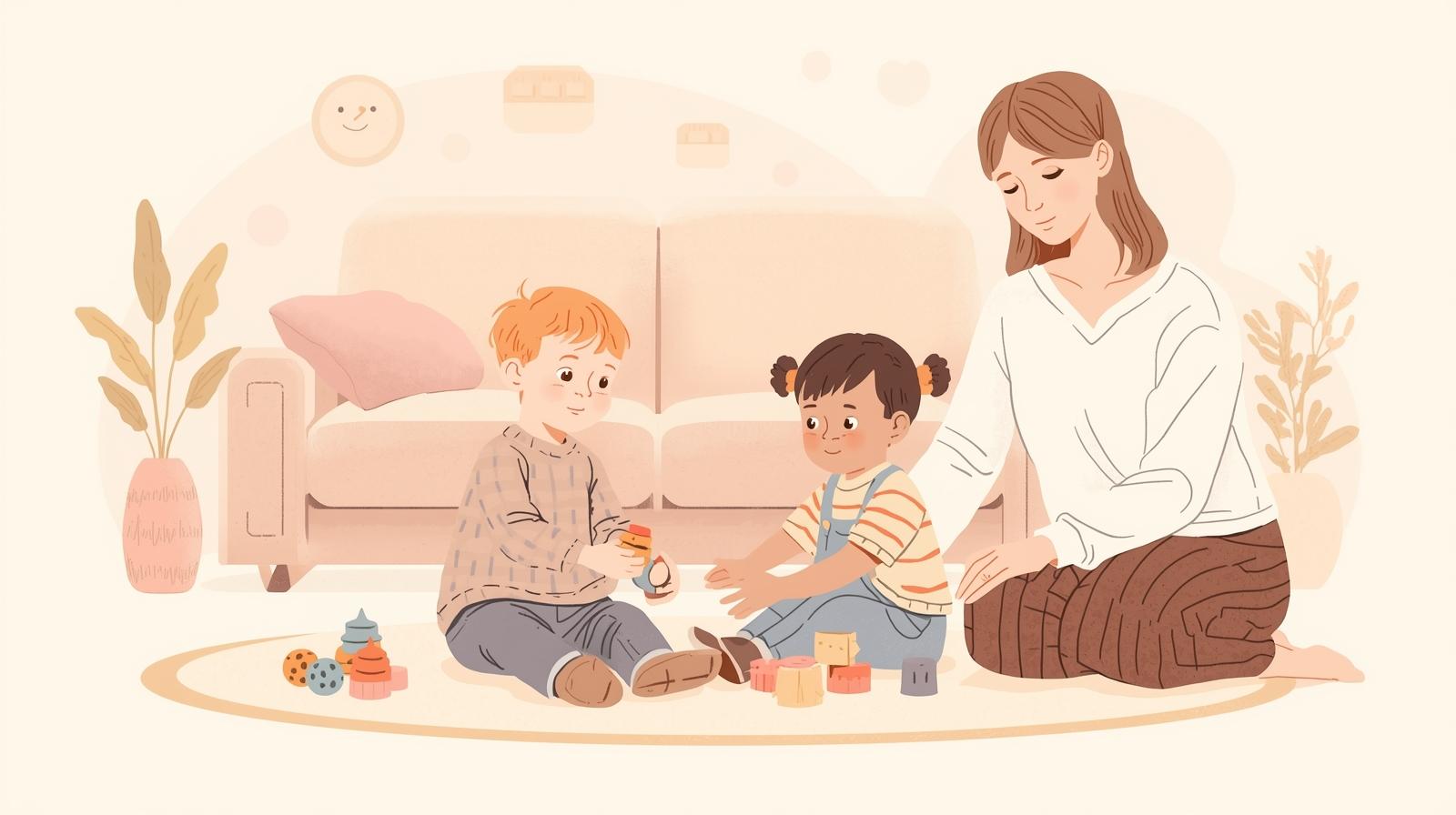
Strategies for Encouraging Sharing in Young Children (Without Daily Battles)
Strategies for Encouraging Sharing in Young Children
If you have ever heard your child shout:
“That’s mine!”
while grabbing a toy from a sibling or friend, you are not alone.
Many parents worry when their child refuses to share. They begin asking questions like:
• Is this normal behaviour?
• Why does my child refuse to share toys?
• Am I raising a selfish child?
The truth is that encouraging sharing in young children is one of the most common parenting challenges.
Toddlers and preschoolers are still developing:
• empathy
• impulse control
• emotional regulation
• perspective taking
Because of this, sharing does not happen automatically.
However, with the right strategies, children can learn to cooperate and share without daily battles or power struggles.
In this guide you will discover:
• strategies for encouraging sharing in young children
• interactive toys and games that promote sharing
• recommended books that teach kindness
• parenting workshops and courses that improve listening skills
Most importantly, you will learn how to guide your child through sharing conflicts calmly.
What Does Encouraging Sharing in Young Children Mean?
Encouraging sharing in young children means helping them develop empathy, patience, and cooperation through modelling behaviour, guided play, and positive reinforcement rather than forcing them to give up toys immediately.
When children feel safe and understood, they are far more willing to cooperate.
Why Sharing Is Difficult for Young Children
Many parents assume that sharing should come naturally. However, developmental psychology shows that sharing is a learned skill.
Children under five are still developing the parts of the brain responsible for:
• impulse control
• emotional regulation
• empathy
Because of this, young children often see toys as personal possessions rather than shared objects.
When a child says “Mine!”, they are not necessarily being selfish. Instead, they are expressing a normal stage of development.
Understanding this helps parents respond calmly rather than reacting with frustration.
If toy conflicts often turn into arguments, it can also help to explore calm discipline techniques such as those explained in this guide on disciplining your child without yelling.
Strategies for Encouraging Sharing in Young Children
Parents often ask for practical strategies for encouraging sharing in young children. The following approaches are widely recommended by child development specialists.
Model Sharing Yourself
Children learn more from what they see than from what they are told.
When parents share everyday items, they demonstrate that sharing is normal.
Examples include:
• sharing snacks
• taking turns with activities
• offering help to others
When children observe sharing regularly, they begin to imitate the behaviour.
Introduce Turn-Taking Games
Turn-taking games are one of the easiest ways to teach sharing.
These activities help children practice patience and cooperation in a structured environment.
Examples include:
• puzzles
• board games
• building activities
Turn-taking gives children predictability, which makes sharing feel safe.
Avoid Forcing Immediate Sharing
Forcing a child to give up a toy instantly can create resistance.
Instead try using language like:
“Sam is using the truck right now. You can have a turn when he finishes.”
This teaches patience rather than pressure.
Praise Positive Sharing
When children choose to share, acknowledge it.
For example:
“I noticed you gave your friend a turn. That was very kind.”
Positive reinforcement encourages children to repeat cooperative behaviour.
Use Play to Teach Cooperation
Play is the most natural way children learn social skills.
Games and toys designed for cooperation encourage sharing without making it feel like a rule.
Interactive Toys and Games That Promote Sharing
Many parents ask whether toys can help teach sharing. The answer is yes. Cooperative toys encourage children to practice sharing during play.
Here are some popular options available for UK parents.
Orchard Toys Shopping List Game
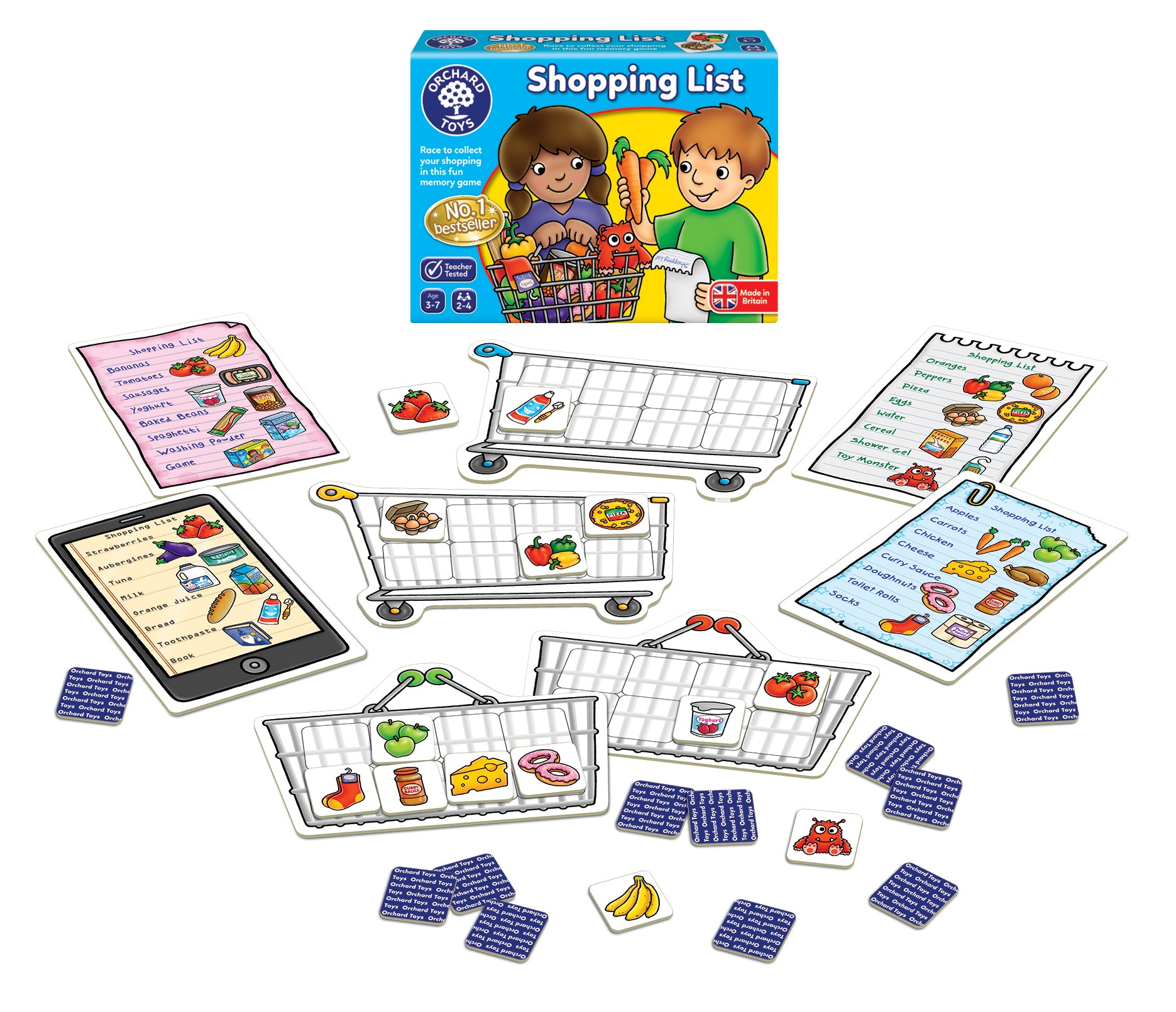
Available here: https://www.amazon.co.uk/dp/B00004TLYQ
This award-winning board game encourages children to take turns collecting items for their shopping lists.
Children practice:
• turn taking
• patience
• listening skills
LEGO DUPLO Creative Building Set

Available here: https://www.amazon.co.uk/dp/B09BNZ7S8M
Building toys encourage collaboration.
Children learn to share pieces and work together to build something.
Melissa & Doug Wooden Ice Cream Counter
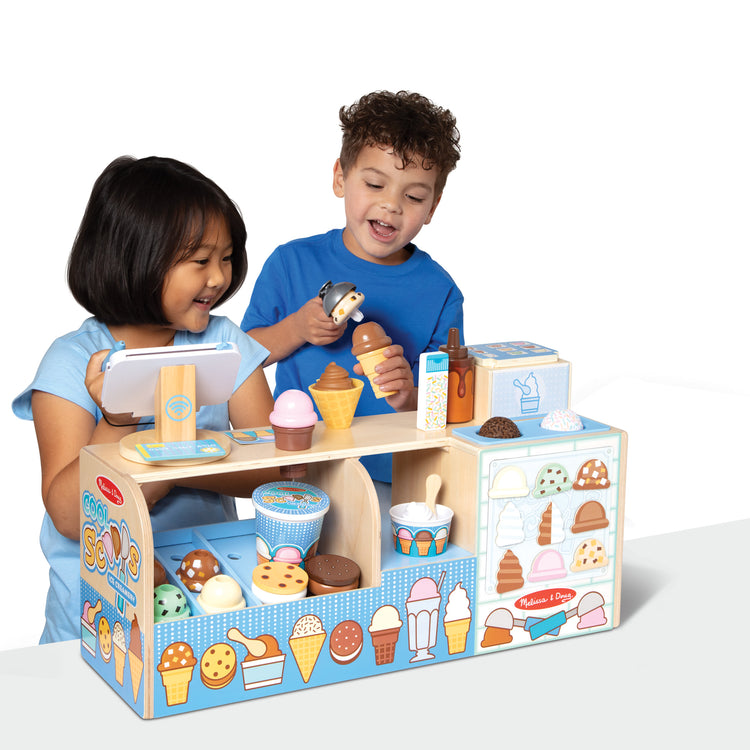
Available here: https://www.amazon.co.uk/dp/B00K0OZ02O
Pretend play encourages children to share roles and take turns.
Children can practice being both the shopkeeper and the customer.
Cooperative Preschool Board Games
Cooperative games focus on teamwork instead of competition.
Examples include:
• Hoot Owl Hoot
• Race to the Treasure
• Count Your Chickens
These games help children experience success through cooperation.
Recommended Books for Teaching Children About Sharing and Kindness
Books are one of the most powerful tools for teaching social skills to young children. Stories allow children to understand emotions, empathy, and cooperation through relatable characters.
Reading together also creates opportunities for parents to talk about feelings, fairness, and kindness.
Below are some popular children's books that help teach sharing and cooperation and are widely available in the UK.
The Rainbow Fish – Marcus Pfister

Why this book helps children learn sharing
This classic children's story follows a beautiful fish who refuses to share his shiny scales with other fish.
Over time, he learns that sharing brings friendship and happiness.
Children quickly understand the emotional lesson:
Kindness and generosity create connection.
Parents often use this book to start conversations like:
“How do you think the other fish felt?”
“Why did sharing make the Rainbow Fish happier?”
Llama Llama Time to Share – Anna Dewdney
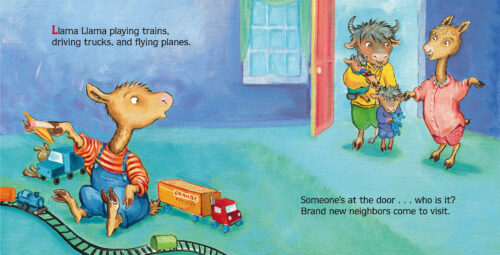
Why this book resonates with young children
In this story, Llama Llama struggles to share his toys with a friend.
Many children recognise themselves in this situation.
The book helps children understand:
• frustration during play
• how friendships work
• why sharing helps everyone enjoy playtime
Should I Share My Ice Cream? – Mo Willems
Why children love this book
This humorous story follows Elephant as he struggles to decide whether he should share his ice cream with his friend Piggie.
Children learn that:
• sharing makes experiences more enjoyable
• thinking about others' feelings matters
• friendship is built through kindness
Because the story is funny and relatable, children often remember its lesson easily.
The Lion Inside – Rachel Bright

Why this book supports sharing and empathy
Although the story focuses on confidence, it also teaches empathy, kindness, and understanding others.
These emotional foundations are essential for learning how to share.
The story helps children understand that:
• everyone has feelings
• kindness builds friendships
• courage and empathy matter
Parenting Courses on Improving Child Compliance
Some parents look for parenting courses to improve their children's compliance when they struggle with listening or cooperation.
These programs often teach parents how to:
• communicate calmly with children
• encourage cooperation
• set clear boundaries
• reduce daily power struggles
When communication improves, sharing conflicts often decrease as well.
Where to Find Parenting Workshops Near Me
Parents searching for parenting workshops focused on improving children's listening skills can often find them through:
• local family centres
• children's centres
• early years parenting programs
• community parenting classes
These workshops help parents develop practical strategies for communication and cooperation.
Family communication patterns also influence children’s behaviour. If conflicts happen frequently at home, it may help to explore strategies for dealing with family conflict calmly.
Parents of older children sometimes experience similar communication struggles. If that situation sounds familiar, you may also find helpful insights in this article about why teenagers sometimes seem distant from parents.
When Sharing Problems Are Actually Emotional Signals
Sometimes a child refusing to share is not about selfishness.
It may be connected to:
• tiredness
• overstimulation
• feeling insecure
• needing attention
When children feel emotionally supported, cooperation often improves naturally.
Encouraging Sharing Is a Long-Term Skill
Sharing is not learned overnight.
Instead, it develops through:
• modelling behaviour
• guided play
• emotional coaching
• everyday practice
Over time children begin to understand that sharing helps build friendships and trust.
Want Personalised Guidance for Your Child?
If you are experiencing daily toy arguments, listening struggles, or sibling conflicts, you are not alone.
Many parents discover that a short conversation with a parenting coach helps them understand what is happening beneath their child’s behaviour.
Bakshi works with families to help parents:
• reduce daily power struggles
• improve children's listening skills
• encourage cooperation and sharing
• build calmer family communication


